

Cart
0


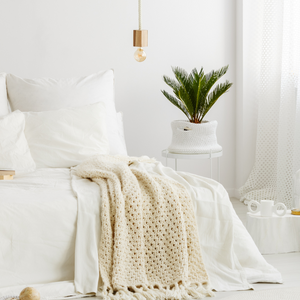
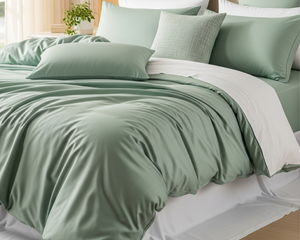
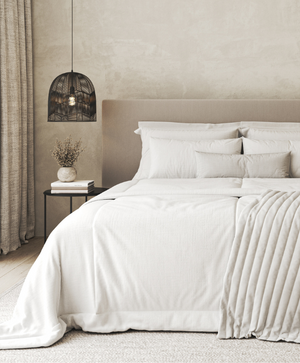
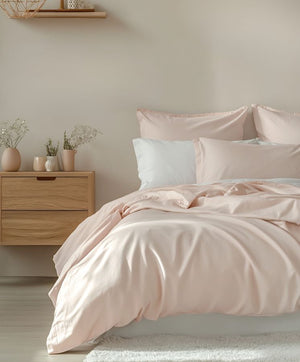
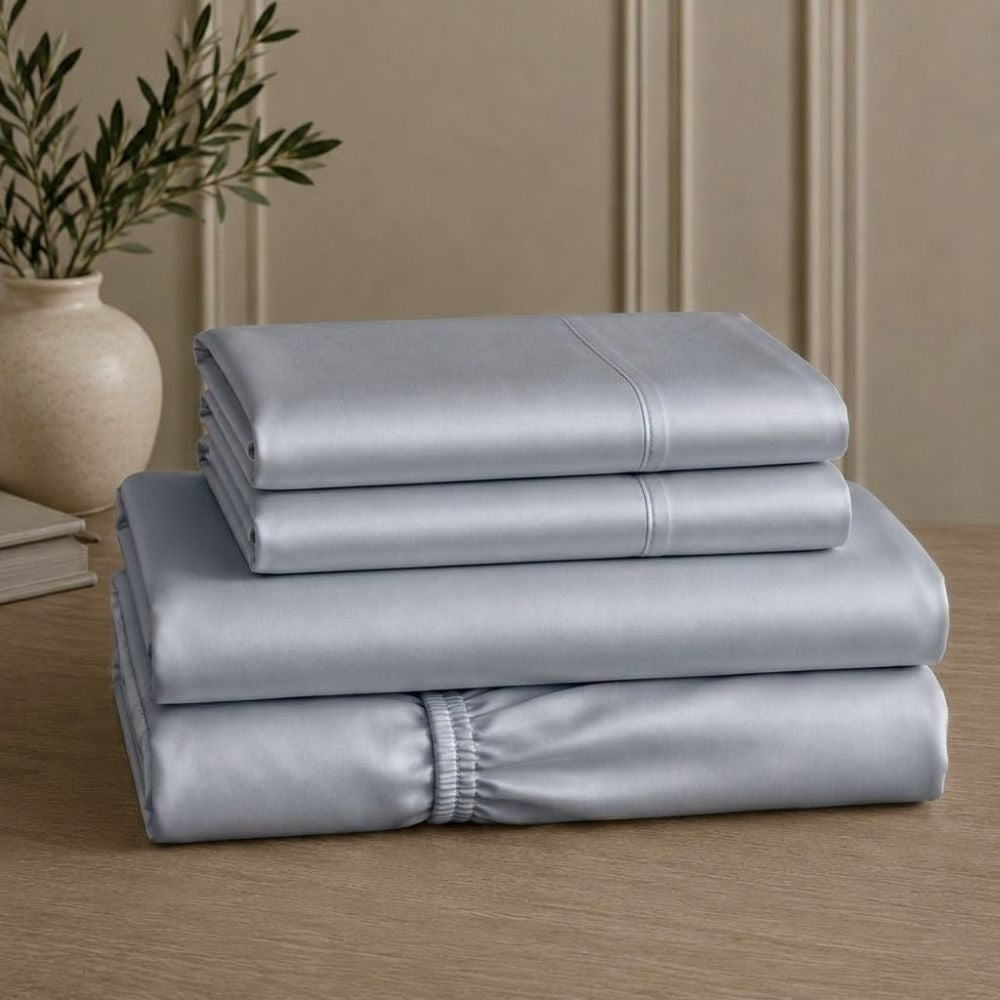
If one of you sleeps hot and the other somehow turns the bed into a furnace by 2 a.m., sheet choice stops being a style decision and becomes a sleep-performance decision. The best sheets for couples overheating need to do more than feel cool for five minutes - they need to manage humidity, release trapped body heat, and stay comfortable when two different sleep temperatures share one mattress.
That is where many sheet sets fall short. They may feel crisp at first touch, but once the room warms up, the comforter goes on, and two bodies settle under the same fabric, the bed climate changes fast. For couples, the real test is not whether sheets feel cool in the package. It is whether they stay breathable through the night without becoming rough, clingy, or damp.
What actually makes the best sheets for couples overheating
Cooling sheets are often described with broad claims, but the mechanics are simple. Heat builds when fabric traps warm air and holds moisture against the skin. The best sheets for couples overheating reduce that buildup through three core qualities: breathability, moisture management, and a weave that does not smother the body.
Breathability allows air to circulate instead of stagnate around the sleepers. Moisture management matters just as much, because sweat left on the skin makes a bed feel warmer and less comfortable. Then there is texture. Some fabrics feel dense or overly coated, which can create that familiar sticky sensation even in a cool room.
For couples, fabric performance matters more than thread count marketing. A sky-high thread count can sound luxurious, but in practice it often means a denser fabric with less airflow. If overheating is the problem, the goal is not the heaviest or smoothest sheet. It is the one that keeps the sleep surface balanced from bedtime to morning.
The best fabric types for hot-sleeping couples
Not every cooling fabric performs the same way, and not every couple needs the same solution. Your room temperature, mattress type, comforter fill, and individual body heat all change what will feel best.
Bamboo lyocell for cool-to-the-touch softness
For many couples, bamboo lyocell sits in the sweet spot between luxury and performance. It has a smooth, fluid hand feel that reads elevated, but the real advantage is how effectively it helps regulate heat and wick away moisture. That matters when one partner runs hot, the other sleeps warm, and the bed never quite gets a chance to reset.
High-quality bamboo lyocell tends to feel cool against the skin without the dryness or stiffness some crisp fabrics can have. It also drapes lightly, rather than sitting heavily on the body. For couples who want a refined, silky sleep experience without the heat retention that often comes with sateen cotton or synthetic blends, this is usually the strongest option.
There is also an important distinction in the bamboo category itself. Not all bamboo bedding is produced the same way, and shoppers often lump bamboo lyocell and bamboo viscose together as if they are interchangeable. They are not. If you care about skin sensitivity, material integrity, and cleaner processing, that difference is worth understanding before you buy.
Linen for maximum airflow
Linen is one of the most breathable choices available, especially for couples in warm climates or anyone dealing with intense night sweats. It allows heat to escape well and tends to perform beautifully in humid conditions.
The trade-off is feel. Linen has texture, structure, and a more casual finish than many luxury shoppers expect. Some couples love that lived-in character. Others want cooling performance but prefer a softer, smoother sleep surface. Linen can also be more prone to wrinkling, which may matter if you care about a tailored bed aesthetic.
Cotton percale for crisp breathability
Percale cotton is a classic option for hot sleepers because it feels light, matte, and airy. It is usually cooler than sateen because the weave allows for better airflow and less heat retention.
Still, cotton percale is not a universal answer for overheated couples. Lower-quality versions can feel dry or rough, particularly if your skin is sensitive. It also typically does less moisture wicking than bamboo lyocell, so if perspiration is a major part of the problem, percale may feel fresh at first but less comfortable by the middle of the night.
What to avoid if you share heat in bed
Sateen weaves, microfiber, and many synthetic performance blends can work against you. Sateen often feels luxurious in the showroom because it is smooth and slightly luminous, but it tends to trap more warmth. Microfiber is usually soft and affordable, yet often lacks the breathability needed for two hot sleepers. Synthetic blends can vary, but many prioritize stretch or wrinkle resistance over temperature regulation.
If your current sheets feel slick, heavy, or oddly humid by early morning, the fabric may be holding onto more heat and moisture than you realize.
How couples should choose sheets when they sleep differently
The challenge is not always that both people overheat equally. More often, one partner sleeps noticeably hotter while the other is comfortable until the room warms up. In that case, you need sheets that create a stable middle ground rather than amplifying either extreme.
Start with moisture handling. If one or both of you sweat at night, prioritize fabrics that wick effectively and dry quickly. Then consider touch. Couples tend to do best with sheets that feel smooth and light rather than stiff or scratchy, because comfort becomes more noticeable when sleep is interrupted by heat.
You should also look at the whole bed system. Foam mattresses can hold warmth. Heavy duvets can cancel out the benefit of cooling sheets. A fitted sheet with poor airflow can trap heat from below even if the top sheet feels breathable. Sheets are foundational, but they perform best when the layers around them are not working against them.
Signs your current sheets are making overheating worse
Sometimes the issue is not your body temperature at all. It is the bedding environment. If you wake up damp but the room is cool, kick the covers off and still feel warm underneath, or notice that the bed feels hottest where fabric touches most closely, your sheets may be part of the problem.
Another clue is inconsistency. If your sheets feel cool when you first get in but noticeably warmer an hour later, they may offer surface-level coolness without real heat regulation. That distinction matters. Temporary cool touch can be pleasant, but all-night comfort depends on airflow and moisture release.
Pilling, fabric coatings, and age can also reduce performance over time. Sheets that once felt breathable can start to trap more heat as fibers break down or finishes wear unevenly.
What luxury cooling sheets should feel like
Premium comfort is not just softness. For overheated couples, true luxury means the bed feels calm, dry, and breathable throughout the night. The fabric should glide over the skin without sticking. It should remain light when the room warms up. It should help the bed recover quickly instead of creating a pocket of trapped heat between two sleepers.
This is why material quality matters so much. A refined finish is only part of the story. The better question is whether the sheets continue to perform after repeated washing, whether they remain gentle on sensitive skin, and whether the cooling claim is rooted in fiber behavior rather than chemical treatment or marketing language.
That is also why shoppers in the premium category often gravitate toward bamboo lyocell when they want both elegance and measurable function. It offers the serene drape and softness people expect from luxury bedding, with the kind of temperature regulation that makes a shared bed feel more comfortable, not just more beautiful. Brands like Verleu have built their collections around that exact expectation: elevated bedding should look exceptional, but it also needs to earn its place night after night.
The bottom line on the best sheets for couples overheating
If you and your partner are both losing sleep to heat, skip the thread-count theater and focus on fiber performance. Linen offers exceptional airflow, cotton percale gives a crisp and classic cool feel, and bamboo lyocell often delivers the most balanced combination of softness, moisture control, and temperature regulation.
The best choice depends on how you sleep, how your room runs, and how much texture you enjoy against your skin. But if your goal is a cooler bed that still feels luxurious, breathable, and polished, fabric quality will matter far more than buzzwords on the package.
A well-made sheet set will not change your metabolism or turn a hot room cold. What it can do is create a sleep environment that works with your body instead of against it, which is often the difference between waking up restless and finally sleeping like you deserve to.


