

Cart
0


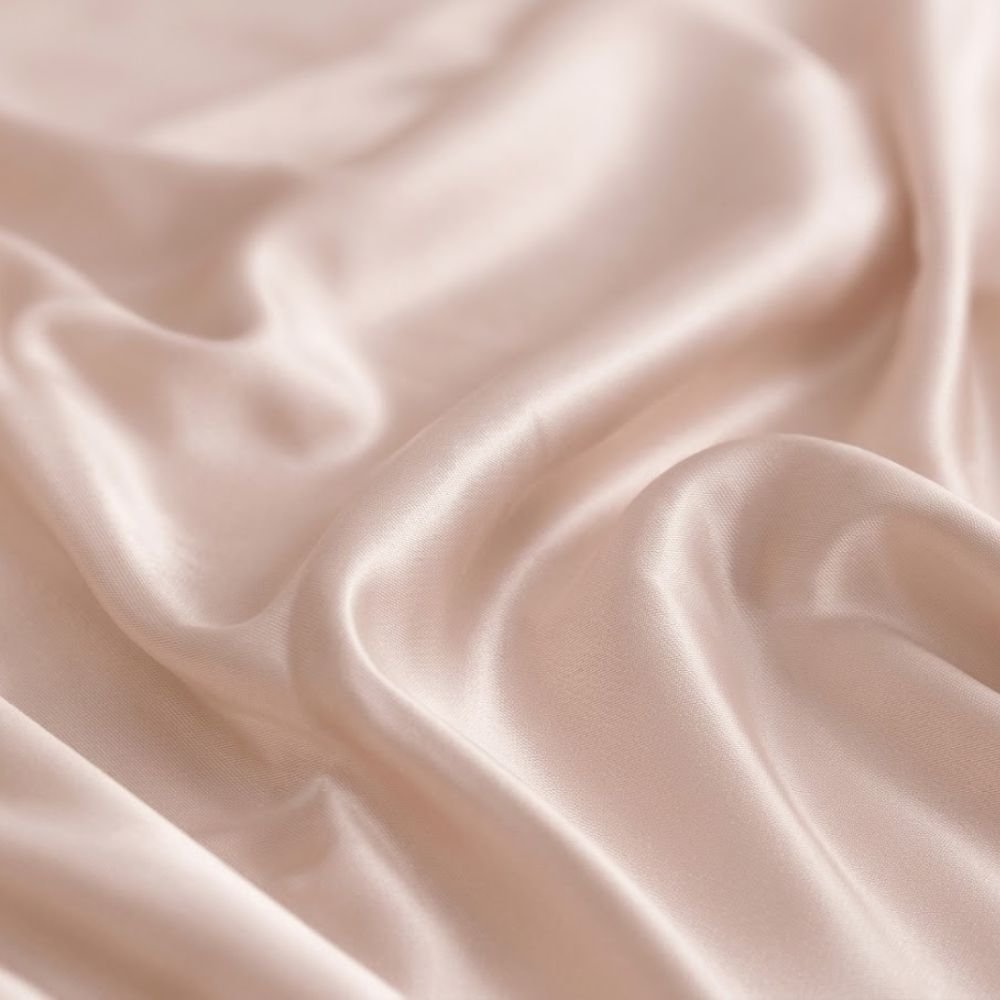
A sheet can feel exceptionally soft and still tell you very little about what it is made of. For shoppers investing in cooler, cleaner bedding, knowing how to identify genuine lyocell fabric means looking beyond a bamboo claim on the front of the package. The real evidence lives in the fiber disclosure, the manufacturing language, and the brand’s willingness to be specific.
Lyocell is a regenerated cellulosic fiber, often made from wood pulp or bamboo pulp, produced through a closed-loop solvent-spinning process. It is prized in premium bedding for its smooth handfeel, moisture management, and elegant drape. But because “bamboo,” “eco-friendly,” and “silky” are easy marketing language, they are not proof that a fabric is lyocell.
Start With the Fiber Content Label
The most reliable first step is also the least glamorous: read the permanent fiber-content label. In the United States, responsible brands should identify the fiber by its recognized generic name and disclose the percentage used.
Look for wording such as “100% lyocell,” “100% bamboo lyocell,” or a clearly stated blend, such as “70% lyocell, 30% cotton.” If a product calls itself bamboo bedding but the detailed label says rayon or viscose, it is not bamboo lyocell. It may still be soft, but it is a different fiber category made through a different production process.
Be especially alert to vague phrases including “bamboo-derived,” “bamboo silk,” “bamboo blend,” or simply “made from bamboo.” Those statements do not tell you whether the finished fabric is lyocell, viscose, rayon, or a blend with polyester. A premium product should make its composition easy to find, not require detective work.
Lyocell, Viscose, and Rayon Are Not Interchangeable
All three materials begin with plant-based cellulose, which is why their names are frequently blurred together. The difference is in how that cellulose becomes fiber.
Lyocell is generally made using an amine oxide solvent process designed to recover and reuse much of the processing solution. Bamboo viscose and bamboo rayon are typically made through a more chemically intensive conversion process. Neither distinction means every lyocell product is automatically perfect or every viscose item is unwearable. It does mean the terms should not be used as substitutes.
If a brand says “bamboo lyocell” in one place and “bamboo viscose” in another, ask for clarification before purchasing. Consistency is a meaningful signal of material transparency.
How to Identify Genuine Lyocell Fabric Beyond the Label
Once the label checks out, assess the quality of the information supporting it. Genuine lyocell is not something you can confirm by touching a pillowcase in a store. Feel can suggest quality, but it cannot verify fiber identity. A brushed microfiber sheet, a sateen cotton sheet, and a low-quality regenerated-cellulose fabric can all feel smooth at first touch.
Instead, look for a clear answer to three questions: What is the fiber? What is the source material? How was it processed? A credible brand should be able to state whether its fabric is lyocell, whether the pulp is sourced from bamboo or wood, and whether the fabric is pure lyocell or blended.
Proprietary fiber names can add useful context. For example, a branded lyocell fiber may come with traceability standards and licensing requirements. However, a proprietary name is not the only route to quality. The key is that the generic fiber content remains visible and that the brand provides documentation rather than asking you to accept broad sustainability language on faith.
Use Certifications for What They Actually Verify
Certifications can be valuable, particularly for bedding that rests against your skin for hours each night. They are strongest when they support a specific claim, not when they are treated as a catch-all badge of quality.
OEKO-TEX STANDARD 100 certification, for example, addresses testing for certain harmful substances in the finished textile. It is relevant for shoppers with sensitive skin and anyone seeking greater confidence in the chemical safety of sheets, duvet covers, or pillowcases. It does not, on its own, prove that a fabric is 100% lyocell or that its pulp came from bamboo.
Likewise, forestry and supply-chain certifications can speak to responsible raw-material sourcing, but they do not replace an accurate fiber-content label. Consider the full picture: disclosed composition, credible processing details, applicable textile testing, and a brand that answers direct questions without evasive language.
Questions Worth Asking Before You Buy
When product details are thin, ask customer service for a direct written answer. Four questions usually reveal whether a claim is well supported:
- Is the fabric 100% lyocell, or is it blended with viscose, cotton, polyester, or another fiber?
- Is the cellulose source bamboo, wood pulp, or a combination of sources?
- Does the product have a current textile-safety certification, and what does that certification cover?
- Can you provide the exact fiber composition shown on the sewn-in care label?
Let Construction Explain the Performance
After you establish that a fabric is genuine lyocell, construction determines much of the sleep experience. Fiber content and weave are separate decisions. Two sets of 100% lyocell sheets can perform differently because of yarn quality, fabric weight, finishing, and weave.
Quality lyocell bedding typically has a fluid drape, a refined surface, and a cool-to-the-touch first impression. It should feel smooth rather than plasticky, with a quiet, almost liquid movement when handled. Its moisture-wicking behavior can help hot sleepers feel less clammy because the fiber manages moisture efficiently rather than allowing it to linger at the surface.
Still, do not use these characteristics as a laboratory test. Some lyocell fabrics are lighter and more airy; others are denser, silkier, or finished for greater durability. A heavier sheet may feel more substantial and luxurious, while a lighter one may suit someone who sleeps exceptionally warm. The best choice depends on your room temperature, personal preferences, and the rest of your bedding system.
Watch for Claims That Sound Better Than They Mean
A few phrases deserve a closer read. “Silk-like” describes feel, not fiber. “Cooling” can be meaningful, but without composition and construction details, it is not a guarantee of overnight temperature regulation. “Natural” is similarly incomplete: lyocell originates with plant-based cellulose, but it is a manufactured fiber, not a raw bamboo strand woven directly into a sheet.
Be wary of extremely low prices attached to sweeping claims of 100% bamboo lyocell luxury. Price alone does not prove deception, yet responsible fiber sourcing, controlled production, thoughtful finishing, certification, and durable construction all carry real cost. Premium bedding should earn its price through measurable material standards and sleep performance, not a dramatic thread-count number or a vague promise of softness.
At Verleu, that distinction matters because luxury bedding should support restorative sleep with more than visual polish. A well-made bamboo lyocell sheet set is designed to pair a serene, smooth finish with practical benefits: breathable comfort, effective moisture management, and a skin-considerate textile standard.
Care Does Not Prove Authenticity, but It Protects Quality
Once you have chosen true lyocell bedding, care will shape how it feels over time. Wash it in cool water with a mild detergent, avoid bleach and fabric softener, and use low heat or air drying when possible. High heat can stress delicate fibers and diminish the supple finish that makes lyocell so appealing.
A genuine lyocell fabric should become part of the calmest part of your home, not another purchase you need to second-guess. Read the label, expect specificity, and choose the material story that gives you the confidence to sleep like you deserve to.


