

Cart
0


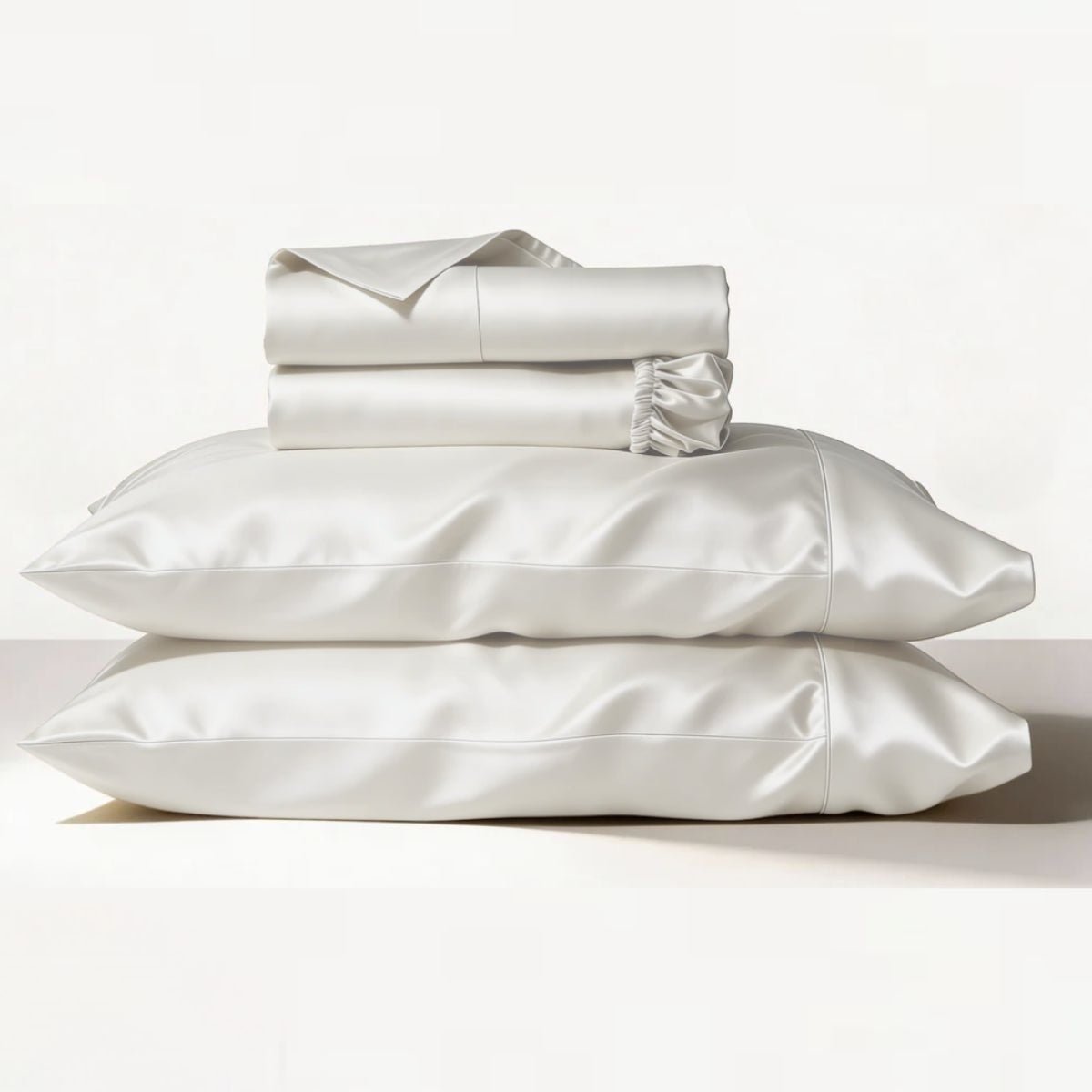
A sheet can feel cool for the first five minutes and still leave you overheating at 3 a.m. That is why the conversation around bamboo sheets vs eucalyptus sheets deserves more than a quick comparison of labels. Both are celebrated for a smooth hand feel, moisture management, and a more considered alternative to conventional bedding. Yet the fiber, manufacturing method, weave, and finishing process determine how those promises translate into nightly comfort.
For sleepers who run warm, have sensitive skin, or expect their bedding to feel as refined as it looks, the best choice is rarely about the plant named on the package. It is about the quality and transparency behind the finished fabric.
Bamboo Sheets vs Eucalyptus Sheets: The Core Difference
Bamboo and eucalyptus sheets are both often made from regenerated cellulosic fibers. In simple terms, plant pulp is transformed into a soft, spinnable fiber through a manufacturing process. The resulting fabric is not raw bamboo or eucalyptus in the way linen is flax or cotton is cotton. It is an engineered textile, and the process matters.
High-quality bamboo sheets are commonly made from bamboo lyocell or bamboo viscose. Eucalyptus sheets are generally made from lyocell, often associated with branded eucalyptus-based fibers. While both can produce exceptionally soft bedding, lyocell and viscose are not interchangeable descriptions.
Lyocell is made in a closed-loop process that recovers and reuses much of the water and solvent used to turn plant pulp into fiber. Viscose uses a different chemical process that can vary widely in environmental management and finished-fabric quality. A label that simply says “bamboo” does not tell you which process was used, what chemicals were involved, or how the sheets will perform after repeated washing.
This is the first principle for discerning shoppers: compare the fiber technology, not just the source plant.
Feel and Softness: Similar Luxury, Different Character
Both bamboo lyocell and eucalyptus lyocell can feel remarkably smooth against the skin. Their fine fibers create a sleek surface with less of the dry, textured feel associated with traditional percale cotton. For sensitive sleepers, that reduced friction can make bedtime feel calmer and more comfortable.
Bamboo lyocell is often prized for a fluid, silk-like drape. It settles over the body in a serene cascade, with an inviting softness that feels cool without becoming slippery. Eucalyptus lyocell is also smooth and supple, though its feel can vary considerably by brand, yarn quality, weave, and finishing treatment. Some eucalyptus sheets have a slightly crisper or more structured hand, especially when woven at a higher density.
Neither material wins on softness in every case. A thoughtfully made bamboo lyocell sheet set can feel more luxurious than a poorly constructed eucalyptus set, and the reverse is equally true. Look beyond thread count, which is easily manipulated and often less meaningful for these fibers than fabric weight, weave, and material integrity.
Cooling and Moisture Management
For hot sleepers, cooling is not a single feature. It is the combined effect of breathability, moisture absorption, airflow, fabric weight, and how quickly the material releases heat and humidity.
Bamboo lyocell and eucalyptus lyocell are both naturally effective at managing moisture compared with many synthetic fabrics. They can absorb perspiration and help move it away from the skin, which is particularly valuable when body temperature rises overnight. A dry sleep surface generally feels cooler, even when the room itself is not cold.
The difference in real-world cooling often comes down to construction. A lightweight sateen weave may feel extraordinarily smooth and drapey but retain a little more warmth than a more open weave. A heavier sheet may offer a lush, hotel-like finish but be less ideal for someone prone to night sweats. Quality fibers also matter: long, uniform fibers tend to create a more breathable, durable fabric with fewer rough spots and less pilling over time.
If temperature regulation is your primary concern, choose sheets that clearly identify their fiber composition and are designed with lightweight, moisture-wicking performance in mind. Do not assume eucalyptus is automatically cooler than bamboo, or that any sheet marketed as bamboo will deliver the same sleep experience.
Skin Sensitivity and Chemical Transparency
The appeal of both materials for sensitive skin comes from their soft surface and moisture-handling ability. Less retained moisture can mean less clammy discomfort, while a smoother weave may be gentler for sleepers who are easily irritated by rough textiles.
Still, “natural” is not a guarantee of skin safety. The finished sheet may be dyed, softened, treated for wrinkle resistance, or blended with other fibers. For people with sensitive skin, allergies, or a preference for cleaner textiles, third-party testing is more useful than broad marketing language.
Look for certifications such as OEKO-TEX Standard 100, which tests finished textiles for a range of harmful substances. It is also worth checking whether the brand discloses the exact fiber type, whether the fabric is 100% lyocell or blended, and how it is finished. Transparency is a premium feature because it gives you a clearer picture of what is touching your skin for eight hours each night.
Sustainability Is About the Process, Not the Plant Name
Bamboo grows quickly and can require fewer agricultural inputs than many conventional fiber crops. Eucalyptus can also be grown efficiently, often on land not suited to food production. Those are meaningful starting points, but they do not settle the sustainability question.
The more important issue is what happens after harvesting. Regenerated fibers require processing, and environmental impact depends on chemical management, solvent recovery, wastewater treatment, energy use, and sourcing practices. A closed-loop lyocell process is generally the stronger choice because it is designed to recover and reuse processing inputs rather than discharge them as waste.
Forest stewardship matters as well. Responsible sourcing helps ensure that the wood pulp used in lyocell production is connected to well-managed forests rather than old-growth or endangered ecosystems. Brands should be prepared to explain both their fiber process and their sourcing standards.
For this reason, bamboo lyocell and eucalyptus lyocell can both be responsible options. A vague “eco-friendly” claim, however, is not enough. Seek material details that support the claim.
Durability and Everyday Care
Luxury sheets should not be treated like precious objects. They should be made to support better sleep night after night, then wash beautifully when life happens.
Bamboo lyocell and eucalyptus lyocell need gentler care than many cotton sheets because regenerated cellulosic fibers can weaken when exposed to high heat, harsh detergents, or aggressive washing. Cold water, a mild liquid detergent, and a low-heat dry cycle help preserve softness and fiber strength. Avoid bleach and fabric softener, which can coat the fibers and interfere with moisture-wicking performance.
Durability varies more by fabric construction than by plant source. Well-made sheets with quality yarns, careful stitching, and a balanced weave can stay smooth and inviting through regular use. Lower-grade options may pill, lose their finish, or develop a papery feel after repeated laundering. A higher upfront investment often pays off when the sheets retain their comfort instead of becoming a short-lived upgrade.
Which Sheets Are Right for You?
Choose bamboo lyocell if you want a deeply soft, elegant drape paired with cooling, moisture-wicking performance and you value a brand that is clear about closed-loop manufacturing. It is particularly compelling for hot sleepers and anyone who wants a polished, skin-friendly sleep surface that feels indulgent every night.
Choose eucalyptus lyocell if you find a product with transparent sourcing, verified certifications, and a weave that suits your preferences. It can offer comparable smoothness and moisture management, especially when produced to a high standard.
The more useful decision is not bamboo versus eucalyptus in isolation. It is bamboo lyocell versus eucalyptus lyocell, then one transparent, well-made sheet set versus another. Compare fiber content, certification, weave, care guidance, and the brand’s willingness to explain how its fabric is made.
A premium bed should do more than photograph beautifully. It should help your body settle, keep your sleep environment feeling fresh, and make the moment you turn down the sheets feel like the beginning of real rest. Choose the material story you can verify, then choose the feel you will look forward to every night.


