

Cart
0



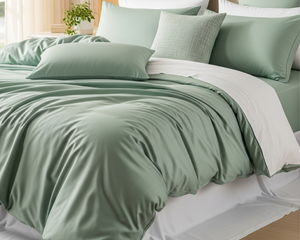
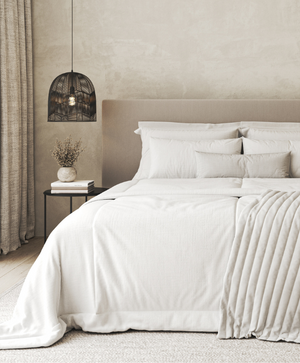
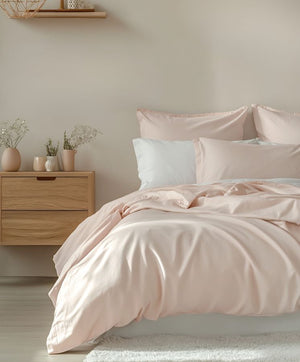
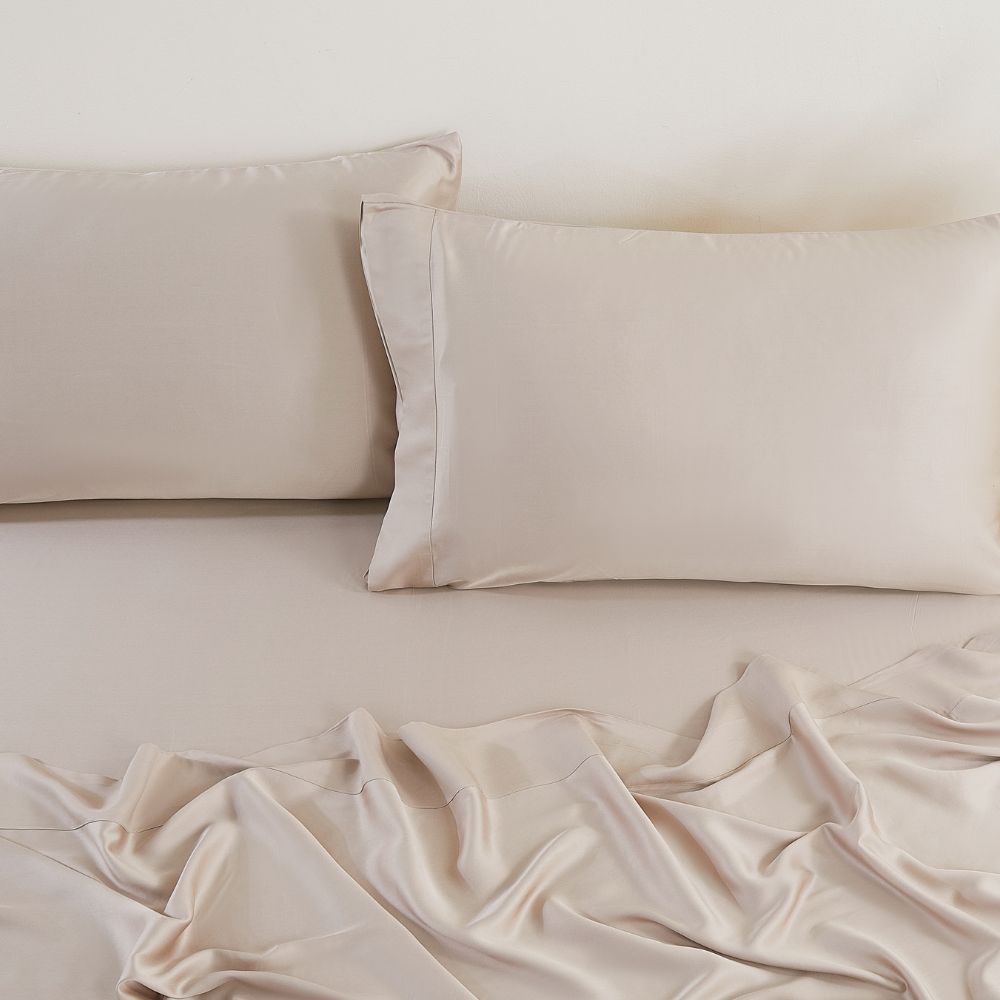
A pillowcase is the layer that stays closest to your face all night. When it traps warmth, feels damp by morning, or leaves sensitive skin irritated, even an exceptional mattress and duvet cannot fully compensate. Bamboo lyocell pillowcases are designed to change that close-to-skin experience with a smoother hand feel, responsive moisture management, and an unmistakably cool, refined finish.
For hot sleepers, people with reactive skin, and anyone treating the bedroom as part of a higher-performance wellness routine, the material beneath your cheek matters. The right pillowcase should feel indulgent at bedtime, then continue working quietly while you sleep.
Why Pillowcase Fabric Has an Outsized Effect on Sleep
Your head and face release heat throughout the night. A dense, less breathable pillowcase can hold that heat at the surface, especially when paired with a foam pillow or a naturally warm sleep environment. The result is familiar: flipping to the cool side of the pillow, waking up overheated, or feeling that your skin is less comfortable by morning.
Bamboo lyocell fibers are engineered to help move moisture away from the body and release it more efficiently than many conventional bedding fabrics. That moisture-wicking behavior does not make a bedroom cold. It helps create a more balanced microclimate around your skin, so the pillow feels less clammy when temperatures rise.
The benefit is especially noticeable in summer, for warm sleepers, and for couples whose preferred sleep temperatures do not always match. Still, no pillowcase can overcome a room that is excessively warm or a pillow insert that retains significant heat. Fabric is one meaningful part of a cooler sleep system, not a substitute for the entire system.
What Makes Bamboo Lyocell Pillowcases Different?
The word “bamboo” alone does not tell you how a fabric will perform. It is a starting material, not a full material story. The process used to turn bamboo pulp into a finished fiber affects softness, durability, resource use, and the level of transparency a brand can provide.
Lyocell is produced through a modern, controlled manufacturing process that uses a closed-loop solvent system designed to recover and reuse much of the processing solution. The result is a fiber known for its smooth surface and fluid drape. In pillowcases, that translates to a silky, serene cascade over the pillow rather than the crisp, dry feel associated with traditional percale cotton.
Bamboo viscose and bamboo rayon are also regenerated cellulose fabrics, but they are made through different processes. They can feel soft initially, yet the label alone does not establish the same manufacturing standards or environmental profile. Shoppers comparing bamboo bedding should look beyond broad claims and ask what type of bamboo-derived fiber is used, how it is produced, and what third-party safety certifications support the finished product.
At Verleu, that distinction is foundational. Premium comfort should be supported by materials intelligence, not vague language or a remarkably soft first impression that fades after a few washes.
A smoother surface for skin and hair
A bamboo lyocell pillowcase has a naturally sleek surface that creates less friction than rougher, more textured fabrics. For many sleepers, this means fewer sleep creases and a gentler feel against the face. It can also be appealing for those who wake with tangled hair or want a pillowcase that feels kinder to textured, dry, or easily stressed strands.
This is not a clinical treatment for skin conditions, and no bedding should be presented as one. But reducing roughness and heat against the skin can make a real difference in nightly comfort, particularly for people who are sensitive to scratchy fabrics, residual finishes, or overheating.
Cooling that feels elevated, not slippery
Some cooling textiles can feel synthetic, slick, or overly technical. Bamboo lyocell offers a different experience. Its cool-to-the-touch sensation is paired with a soft, weightless drape that feels luxurious rather than utilitarian.
That balance matters because a pillowcase should invite rest. It should not feel like performance gear in the bedroom. The ideal finish is polished and breathable, with enough substance to stay beautifully in place around the pillow.
The Details That Separate Premium Pillowcases From Marketing Claims
Not all bamboo lyocell pillowcases deliver the same experience. A thoughtful purchase starts with the material, but it should not end there. Construction, certification, fit, and care all influence how the pillowcases feel over time.
First, examine the fiber disclosure. A clear product description should identify bamboo lyocell rather than relying on a catchall bamboo label. Transparent brands should also explain the benefits without promising impossible outcomes, such as permanently eliminating night sweats or curing skin concerns.
Next, consider finished-fabric safety. OEKO-TEX certification, when applicable to the specific product, indicates that the textile has been tested for a list of harmful substances. For those with sensitive skin or a preference for cleaner home essentials, this is a meaningful trust marker. It speaks to the finished fabric that touches your face night after night.
Weave and construction shape the final feel as well. A tight, refined weave can enhance the fabric's smoothness and longevity, while quality stitching helps the pillowcase hold its silhouette through repeated laundering. Envelope closures offer a neat, concealed look and help keep the pillow secure. Open-end pillowcases are simpler, though they may allow an insert to shift more easily.
Finally, choose the right size. Standard, queen, and king dimensions vary by brand, and a poorly fitted pillowcase can undermine even the finest fabric. A slightly generous fit often creates the most elegant drape, while an overly large case can bunch and disrupt the smooth surface that makes lyocell so appealing.
How to Care for Bamboo Lyocell Pillowcases
Luxury bedding earns its place through both first-night comfort and long-term resilience. Bamboo lyocell is durable when cared for thoughtfully, but it responds best to a gentler routine than heavy cotton towels or athletic wear.
Wash pillowcases in cold water on a gentle cycle with similar lightweight fabrics. Use a mild detergent and skip chlorine bleach, which can weaken fibers and affect color. Fabric softener is usually unnecessary because lyocell is naturally soft; buildup from softeners can reduce the clean, breathable feel you bought the fabric for.
Tumble dry on low heat or air dry when practical, then remove promptly to minimize wrinkles. High heat is the main avoidable mistake. It can place unnecessary stress on fine fibers and shorten the life of any premium bedding. If you prefer a more polished finish, use a cool iron only when needed.
How often should you wash them? For most households, once a week is a sensible cadence. Those with oily skin, nighttime perspiration, allergies, or hair products may prefer to rotate two or more pairs and wash them more frequently. A second set is not merely a convenience. It allows you to preserve the calm, freshly made feeling of the bed without rushing laundry day.
Are They Worth the Upgrade?
Bamboo lyocell pillowcases tend to cost more than basic cotton cases, and that difference deserves an honest answer. They are most worthwhile for sleepers who feel the limitations of ordinary bedding every night: excess warmth, dampness, friction against skin, or a finish that becomes coarse too quickly.
They may be less essential for someone who sleeps cool, prefers the crisp structure of cotton percale, or prioritizes the lowest possible price. Material preference is personal. Some people love lyocell's fluid, almost silk-like softness; others want the airy texture and tailored feel of linen or percale.
For many, however, the value is in the daily return. A pillowcase is not stored away for special occasions. It is used for hours, directly against the skin, at the moment the body is meant to recover. Choosing a better one can make the bed feel more considered, more comfortable, and more aligned with how you want to wake up.
Tonight, pay attention to the side of the pillow you keep searching for. The answer may not be another sleep accessory. It may be a cleaner, cooler layer that lets your pillow finally feel as restorative as the rest of your bedroom.


