

Cart
0


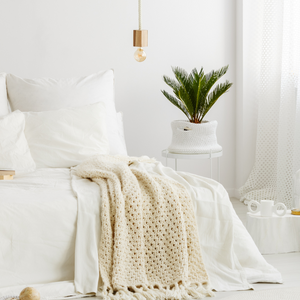
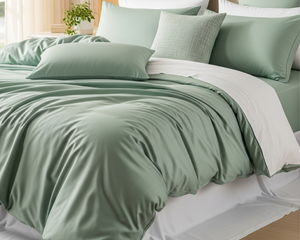
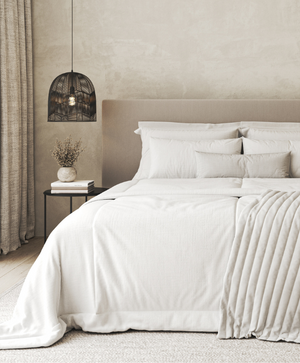
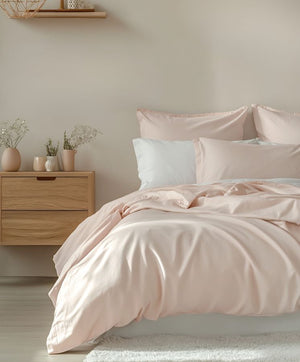
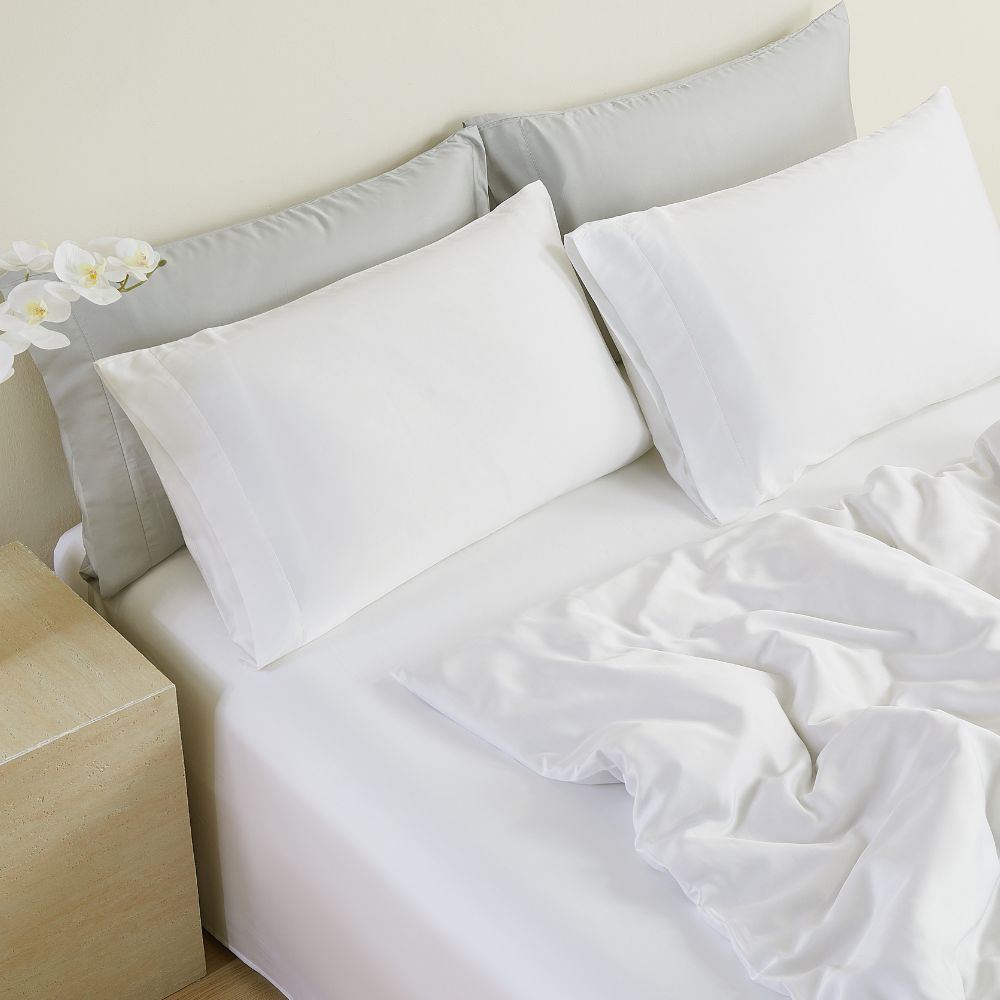
If you wake up at 2 a.m. kicking off the covers, your sheets are not a small detail. For warm sleepers, the wrong fabric can trap heat, hold moisture against the skin, and turn a beautiful bed into a nightly frustration. The best sheets for warm sleepers do more than feel soft at first touch - they help regulate temperature, move humidity away from the body, and stay comfortable through every season.
That distinction matters because many sheets are sold on buzzwords rather than performance. "Cooling" is printed on packaging so often that it has almost lost meaning. What actually determines whether sheets sleep cool is less about branding and more about fiber type, weave, finish, and how the fabric handles airflow and moisture once your body temperature rises.
What warm sleepers actually need from sheets
Warm sleepers usually need two things at once: breathability and moisture management. Breathability allows body heat to escape instead of building up around you. Moisture management keeps perspiration from lingering on the surface of the fabric, which is what creates that clammy, overheated feeling even in an air-conditioned room.
Softness matters too, but it should not come at the expense of performance. Some fabrics feel dense, plush, or brushed in a way that is cozy for cold sleepers and stifling for hot ones. If you tend to run warm, a buttery hand-feel is only a win if the fabric still releases heat efficiently.
There is also the issue of skin sensitivity. Overheating often goes hand in hand with irritation, especially for people who deal with eczema, reactive skin, or discomfort from harsh finishes. In that case, the best bedding is not only cool to the touch but also cleanly made and gentle enough for repeated, close contact.
Best sheets for warm sleepers: the fabrics that perform
Not every premium sheet fabric is equally suited to heat regulation. Some excel in appearance. Some excel in durability. And some truly improve sleep temperature.
Bamboo lyocell
For many warm sleepers, bamboo lyocell is one of the strongest choices available. It has a smooth, almost fluid drape that feels elevated, but the real advantage is functional. Quality bamboo lyocell is highly breathable, efficient at wicking moisture, and naturally cool against the skin without feeling slick or synthetic.
It also tends to work well for people who want luxury and performance at the same time. The fabric can feel exceptionally soft while still maintaining airflow, which is not true of every soft sheet on the market. That balance is why discerning shoppers often move toward bamboo lyocell when cotton starts to feel too dry or linen too textured.
It is worth being precise here. Bamboo lyocell and bamboo viscose are not interchangeable just because they begin with the same plant source. The processing method matters. If you care about cleaner production, fabric integrity, and a more refined feel, that distinction deserves attention.
Linen
Linen has long been favored by hot sleepers because it breathes well and allows heat to dissipate quickly. It also absorbs moisture effectively, which helps during humid months. If you love an airy, relaxed bed with visible texture, linen can be excellent.
The trade-off is feel. Linen is not universally appealing, especially for sleepers who want a smoother, more polished surface. It softens with use, but it rarely delivers the same sleek hand-feel as bamboo lyocell or high-quality sateen. Some people also find it too rumpled for a more tailored bedroom aesthetic.
Cotton percale
Percale cotton is crisp, matte, and breathable. It is often a safer cooling choice than cotton sateen because the weave is lighter and less insulating. For shoppers who prefer the familiarity of cotton, percale can feel fresh and hotel-like without holding as much heat.
Still, cotton performance varies widely. Long-staple cotton will generally feel better and last longer than lower-grade cotton, but even premium percale may not wick moisture as efficiently as bamboo-based performance fabrics. If night sweats are your main issue, cotton can help, but it may not solve the whole problem.
Tencel lyocell
Tencel lyocell, made from eucalyptus, is another strong option for warm sleepers. Like bamboo lyocell, it is known for softness, breathability, and moisture control. It often appeals to people who want a clean, modern fabric with a silky finish and less heat retention than traditional cotton.
The exact feel depends on the brand and construction, but as a category, lyocell fabrics tend to outperform many common sheet materials when cooling is the priority.
Which sheets warm sleepers should usually avoid
Some sheets are comfortable in a showroom and disappointing overnight. Flannel is the obvious example - soft, yes, but built to retain warmth. Heavy sateen cotton can be another culprit. Its luster and smoothness are appealing, yet the denser weave often traps more heat than hot sleepers want.
Microfiber is also worth caution. It is typically affordable and easy to care for, but because it is made from very fine synthetic fibers, it can hold onto heat and feel less breathable over the course of the night. For someone already prone to overheating, that usually makes the problem worse, not better.
Even jersey sheets can be too insulating, especially in warmer climates or for couples who naturally generate more body heat. If the fabric resembles your favorite T-shirt, think carefully before assuming it will keep you cool in bed.
What matters beyond fabric
The best sheets for warm sleepers are not chosen by material alone. Weave, weight, and finish all influence how a set performs.
A lighter fabric generally breathes better than a heavier one, but lightweight should not mean flimsy. Premium construction matters because poorly made cooling sheets can lose their softness, pill quickly, or stop feeling refined after a few washes. When you are investing in better sleep, longevity is part of performance.
Fit matters too. Deep pockets and secure elastic may sound like minor details, yet bunching or slipping fabric creates friction and disrupts comfort. The better the sheet conforms to the mattress, the more stable and breathable the sleep surface feels.
You should also look at certification and processing standards. For shoppers who care about skin wellness and cleaner materials, certifications such as OEKO-TEX can provide reassurance that the fabric has been tested for harmful substances. That is especially relevant for bedding, which stays in contact with your skin for hours every night.
How to choose the best sheets for warm sleepers in real life
If your bedroom is consistently warm, start with breathable, moisture-wicking fibers rather than trying to fix the issue with thread count alone. High thread count is often marketed as a sign of luxury, but for hot sleepers it can be misleading. More threads can mean a denser fabric, and denser fabric often means less airflow.
Think about your own version of overheating. If you mainly feel hot but stay dry, crisp cotton percale or linen may be enough. If you deal with humidity, perspiration, or skin sensitivity, bamboo lyocell or another high-quality lyocell fabric may be the more complete answer.
Climate and sleep style also shape the right choice. A warm sleeper in Arizona may want an ultra-light, dry feel. A warm sleeper in the Southeast may care more about moisture control in humid air. If you share a bed with a partner who sleeps cold, the best compromise is often a sheet fabric that feels cool and breathable without being stark or stiff.
This is where premium bedding earns its place. The right fabric should not force you to choose between elegance and function. It should look polished, feel indulgent, and still perform when the room gets stuffy or your body temperature spikes overnight. That is precisely why brands focused on material engineering, like Verleu, have put so much emphasis on bamboo lyocell rather than broader, less precise "cooling" claims.
A better bed starts with temperature control
Warm sleepers often spend years adjusting the thermostat, changing comforters, or flipping pillows to the cool side, while the sheets remain the hidden problem. But your sheets are the layer closest to your skin. They set the tone for how heat, moisture, and comfort are managed all night.
Choosing well is less about chasing trends and more about understanding what the fabric is doing while you sleep. When your sheets breathe, wick, and stay beautifully soft over time, the whole bedroom feels calmer. And when your bed stops working against your body, rest starts to feel the way it should - cool, clean, and quietly luxurious.


