

Cart
0



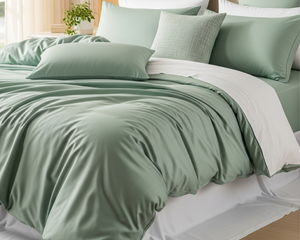
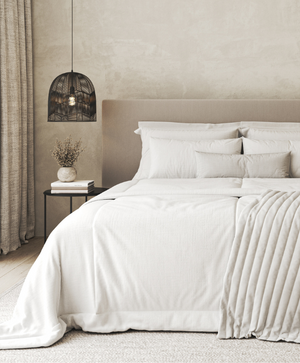
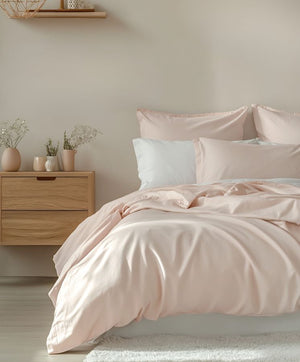
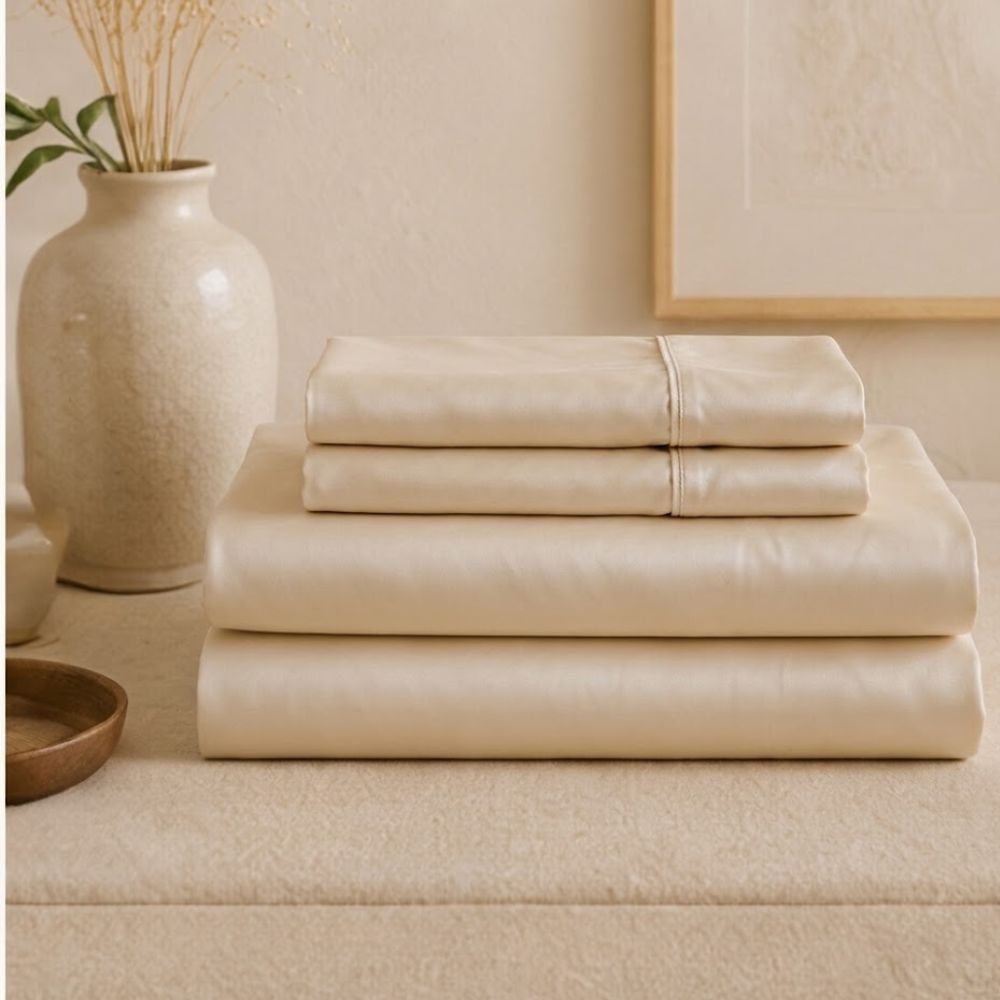
If your sheets feel pleasant at bedtime but stifling at 2 a.m., the weave is often the reason. When comparing percale vs sateen for hot sleepers, the real difference is not just softness or sheen. It is how each fabric structure handles airflow, moisture, body heat, and that unmistakable moment when a bed starts to feel too warm.
For anyone dealing with night sweats, warm bedrooms, or a partner who radiates heat, this choice matters more than thread count marketing would suggest. Percale and sateen can both feel luxurious, but they create very different sleep environments.
Percale vs sateen for hot sleepers: the quick answer
If you sleep hot, percale usually has the edge. Its one-over, one-under weave creates a crisper fabric with more breathability and a lighter, airier hand feel. That structure tends to release heat more easily, which is why percale is often the safer choice for people who wake up overheated.
Sateen, by contrast, is woven for drape and smoothness. It typically uses a three-over, one-under or four-over, one-under pattern, exposing more thread surface on the face of the fabric. The result is silkier and often more insulating. Many people love that polished softness, but hot sleepers may find it holds onto warmth more than they would like.
That said, weave is only part of the story. Fiber content can shift the entire experience.
What actually makes one sheet sleep cooler than another
Cooling performance is rarely about a single feature. It comes from the interaction between weave, fiber, finish, and fabric weight.
Percale sleeps cooler because the weave is tighter in a balanced, grid-like way that promotes airflow without creating a heavy surface. It feels crisp, matte, and dry against the skin. Many people describe it as hotel-like, but for hot sleepers the bigger benefit is that it tends to avoid that dense, close-wrapped feeling.
Sateen feels smoother because more thread surface sits on the top of the fabric. That gives it a soft luster and a fluid drape that many luxury shoppers enjoy. But that same structure can trap more heat around the body, especially if the sheet is made from cotton and woven at a heavier weight.
Moisture handling matters too. If you perspire overnight, a fabric that feels cool at first touch can still become uncomfortable if it does not wick well or dry efficiently. This is where fiber technology starts to matter as much as weave.
How percale feels on the bed
Percale has a fresh, tailored character. It is light, crisp, and less clingy, which makes it appealing in warm climates or for sleepers who prefer a bed that feels clean rather than enveloping.
Some people adore that breathable, barely-there sensation from the first night. Others find percale a little too crisp initially, especially if they expect buttery softness right out of the package. Over time, good percale softens, but it typically keeps its cooler, more structured personality.
For hot sleepers, that structure is part of the appeal. Percale tends to sit away from the skin rather than drape heavily onto it. If you toss, turn, or kick a leg out from under the covers, that lighter touch can feel like relief.
How sateen feels on the bed
Sateen is smoother, silkier, and more fluid. It tends to look slightly luminous and feel more substantial, which is why it is often marketed as the more indulgent option.
For some sleepers, that softness reads as immediate luxury. For others, especially those who run warm, it can feel a bit too close and insulating after a few hours. Sateen often shines in cooler rooms, cooler seasons, or for people who want a softer hand and do not struggle with overheating.
There is also a skin-feel preference at play. Sensitive skin can respond well to sateen’s smoother surface because there is less crisp friction. But if heat triggers irritation, flushing, or restless sleep, the cooler character of percale may still be more comfortable overall.
Percale vs sateen for hot sleepers with night sweats
If night sweats are a recurring issue, percale generally performs better than sateen. The weave allows more air circulation, and that breathability can help reduce the humid, trapped feeling that makes sweating more disruptive.
Still, it would be a mistake to assume percale automatically solves every temperature problem. A hot sleeper on thick cotton percale may still overheat, especially with a dense duvet, memory foam mattress, or poor bedroom ventilation. Likewise, a lighter sateen made from a more advanced fiber may outperform a basic cotton percale in real-world comfort.
That is why premium bedding should be evaluated by sleep performance, not just weave labels. Hot sleepers need a system that manages heat and moisture together.
Why fiber matters as much as weave
This is the point many bedding guides skip. Percale and sateen describe how a fabric is woven, not what it is made from. Cotton percale and cotton sateen are common, but they are not the only options, and they are not always the most effective for people who sleep warm.
Bamboo lyocell, for example, brings a different level of temperature regulation to the conversation. It is known for a smoother surface, moisture-wicking performance, and a cooler, more fluid feel that does not rely on a heavy sateen-like density. It can offer softness without the same heat retention many hot sleepers notice in traditional cotton sateen.
That distinction matters because some shoppers assume their only choice is crisp and cool or silky and warm. Better fiber technology can narrow that gap. At Verleu, that is exactly why bamboo lyocell sits at the center of the sleep experience - premium comfort should feel elegant, but it should also perform when your body temperature rises.
When percale is the better choice
Percale is usually the better fit if you sleep hot every night, prefer a crisp bed, or live in a warmer climate. It also suits people who want that freshly made, breathable feel and do not mind a fabric with a little more structure.
It is especially practical for couples with mismatched temperatures. If one person sleeps cold and the other sleeps hot, cooler sheets can help reduce ambient heat buildup across the bed. Percale will not make a warm mattress cool, but it can make the surface feel less oppressive.
The trade-off is softness and drape. If you want your sheets to feel fluid, glossy, or cocooning, percale may not satisfy that expectation.
When sateen still makes sense
Sateen is not the wrong choice for every warm sleeper. If you run only slightly warm, keep your room cool, and prioritize a silky hand feel, sateen may still work beautifully. It can also be appealing in winter or in homes where the bedroom tends to stay cold.
For people with very dry or sensitive skin, the smoother glide of sateen can feel gentler than crisp percale. The key is knowing your main problem. If your issue is tactile sensitivity, sateen may help. If your issue is waking up sweaty, it is less likely to be your best match.
This is where honesty matters more than aesthetics. A sheet can look luxurious and still fail at sleep performance.
What hot sleepers should look for beyond the label
When shopping, start with your actual sleep pattern. If you wake up damp, throw off the covers, or constantly search for the cool side of the bed, prioritize airflow and moisture management first. In most traditional cotton options, that points toward percale.
Then look at the full bedding setup. Heavy comforters, synthetic fills, mattress protectors, and dense foams can all overpower the benefits of a cooler sheet. The sheet should support the system, not fight it.
Finally, do not confuse a slick finish with a cooling one. Some fabrics feel cool for a minute but trap heat as the night goes on. The better measure is sustained comfort: breathability, moisture control, and a stable temperature through the night.
The better question than percale or sateen
For many shoppers, the better question is not simply percale or sateen. It is what combination of weave and fiber will keep the bed cooler without sacrificing softness.
If you are choosing between classic cotton percale and cotton sateen, percale is usually the stronger answer for hot sleepers. It is more breathable, less insulating, and better aligned with temperature regulation.
But if you want a more elevated feel without the heat buildup associated with many sateen sheets, it may be worth looking beyond conventional cotton altogether. The best bedding does not force you to choose between luxury and performance.
Sleep should feel composed, dry, and quietly restorative. If your current sheets are beautiful but too warm, that is not a small detail. It is your body telling you the fabric is working against the night you deserve.


