

Cart
0
A summer comforter fails in a very specific way - it looks inviting at bedtime, then traps heat by 2 a.m. and leaves you kicking it to the foot of the bed. If you are shopping for the best breathable comforters for summer, the real question is not just which one feels light in the package. It is which one can regulate heat, move moisture, and still give your bed the finished, elevated feel of a true comforter.
That distinction matters. Many so-called cooling comforters rely on a thin handfeel or airy marketing language, yet still underperform once body heat builds through the night. Breathability is a material story, a construction story, and, for hot sleepers, a performance story.
What makes the best breathable comforters for summer
A breathable comforter has to do two things at once. It needs enough loft to feel comforting, but not so much density that it becomes an insulating trap. The best versions allow warm air and humidity to escape rather than holding both close to the body.
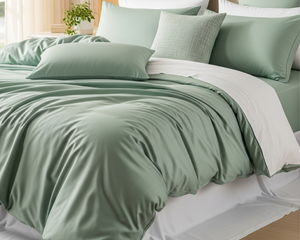
The shell fabric is the first place to look. If the outer fabric is dense, slick, or prone to heat retention, the fill inside has less chance to perform well. Natural-feeling, moisture-managing shells such as bamboo lyocell, TENCEL lyocell, linen, or lightweight cotton percale usually feel cooler against the skin than heavier sateens or synthetic covers. Among these, bamboo lyocell stands out for combining a smooth, draped finish with strong moisture control and a cleaner, more advanced fiber profile than many conventional bamboo viscose products.
Fill matters just as much. Down can work in summer if the fill power and weight are carefully calibrated, but it depends on your room temperature and your metabolism. Some sleepers love the airy loft of lightweight down. Others find that any insulating cluster fill becomes too warm by early morning. Alternative fills vary even more. Polyester is common and inexpensive, but it often falls short on moisture management and can sleep warmer than advertised. Silk, wool, and lyocell-based fills tend to breathe better, though each creates a different sleep experience.
Construction is the final piece. A tightly packed comforter with thick quilting can hold heat even if the raw materials sound promising. Lighter fill weights, well-spaced stitching, and an overall drape that does not sit heavily on the body usually perform better in summer bedrooms.
The materials that actually sleep cooler
If you are comparing options, start by separating cooling language from cooling materials. Not every breathable comforter is equally suited to hot weather.
Bamboo lyocell
Bamboo lyocell is one of the strongest choices for summer bedding when made well. It is known for a soft, fluid hand and excellent moisture management, which helps reduce the sticky, clammy feeling that often wakes hot sleepers before outright overheating does. It also tends to feel gentler on sensitive skin, which matters if heat and friction leave you irritated overnight.
There is an important nuance here. Bamboo lyocell is not the same as generic bamboo fabric. Manufacturing process matters, and so does chemical transparency. For shoppers who want premium comfort with a cleaner materials story, that difference is not cosmetic - it is part of the product’s overall value.
Cotton percale
Percale remains a reliable classic. It is crisp, breathable, and familiar, especially for people who prefer a hotel-sheet feel rather than a silky drape. In a comforter shell, percale can help keep the bed feeling fresher in warm weather. The trade-off is that cotton does not always manage moisture as efficiently as lyocell-based fibers, so very hot sleepers may still wake up feeling damp.
Linen
Linen has excellent airflow and a relaxed luxury that works beautifully in summer. It releases heat well and often gets better with time. That said, linen comforters can feel more textured and less fluid than bamboo lyocell or cotton, which some people love and others do not. If you want a polished, smooth sleep surface, linen may not be your first choice.
Silk and wool fills
These two are often underestimated. Silk can feel remarkably light and temperature responsive, while wool is naturally breathable and moisture managing despite its cozy reputation. The catch is preference. Silk tends to be thinner and sleeker, while wool can feel weightier and slightly more structured. Neither will appeal to everyone, but both can outperform synthetic fill in a summer comforter.
How to choose the best breathable comforter for your sleep style
The right summer comforter depends on more than climate. Your body temperature, bedding layers, and even mattress type change the equation.
If you are a true hot sleeper, prioritize moisture management over fluff. A comforter that looks cloudlike on the bed may still run too warm if it stores humidity. This is where breathable shell fabrics and lighter, more responsive fills make the biggest difference.
If your room stays heavily air conditioned, you may want a little more loft. In that case, a lightweight down or lyocell-filled comforter can work beautifully, provided the shell remains breathable. Summer comfort does not always mean the thinnest possible layer. It means the layer that keeps you comfortable without overheating.
If you share a bed with someone who sleeps colder than you do, look for balance rather than extremes. An ultra-thin blanket may solve one person’s overheating but leave the other uncomfortable. Breathable comforters with intelligent temperature regulation are often better for couples because they avoid the trapped-heat effect without stripping away all coziness.
For sensitive skin, material purity matters as much as cooling performance. Smooth, hypoallergenic, certified fabrics can reduce friction, irritation, and exposure to unwanted chemical residues. In a category full of vague claims, shoppers should expect more than softness. They should expect evidence of thoughtful material choices.
Red flags when shopping summer comforters
The most common mistake is equating lightweight with breathable. Some comforters feel thin in hand but still trap heat because the shell is synthetic or the fill does not release moisture well. Another issue is overreliance on buzzwords like cooling, moisture wicking, or bamboo blend without clarity about what the product is actually made from.
A blend is not automatically bad, but it can dilute the benefits you are paying for. If a comforter is marketed around bamboo, for example, it is worth checking whether the shell is truly bamboo lyocell or a less transparent alternative. Likewise, a polyester-heavy fill may be budget friendly, but it often will not deliver the temperature regulation a premium shopper expects.
Pay attention to finish, too. A comforter can be breathable and still feel disappointing if it bunches, loses shape, or develops hot spots because the fill shifts. Summer bedding should feel effortless on the bed and dependable through the night.
Why premium construction changes the experience
The best breathable comforters for summer are not just cooler. They feel calmer. The fabric falls in a smoother line, the bed looks refined rather than flat, and the comforter performs without constant adjustment.
That is where luxury construction earns its place. Higher-quality fibers tend to hold softness longer, resist the stiffening that can happen with cheaper materials, and maintain a more elegant drape. Better stitching helps distribute fill evenly. Cleaner production and certifications add another layer of trust for shoppers who care about skin safety and environmental responsibility.
For a brand like Verleu, that intersection of comfort, wellness, and material precision is the point. Premium bedding should not ask you to choose between beauty and performance. It should give you both, night after night.
The comforter that works hardest in summer
If you want your bed to feel cool, polished, and genuinely restorative, look beyond labels that promise instant chill. Focus on breathable shell fabrics, moisture-aware fill choices, and construction that supports airflow instead of fighting it.
Summer sleep is rarely improved by more insulation. It is improved by better regulation - the kind that lets you stay covered, comfortable, and undisturbed until morning. Choose a comforter that respects how your body sleeps, and the whole room starts to feel more serene.


