

Cart
0



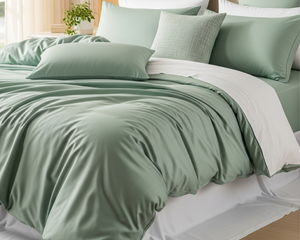
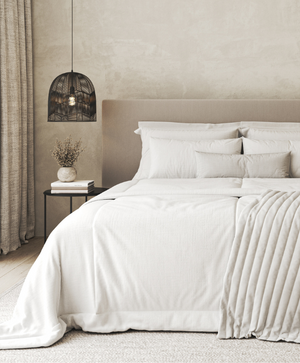
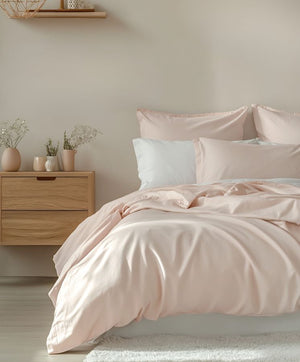
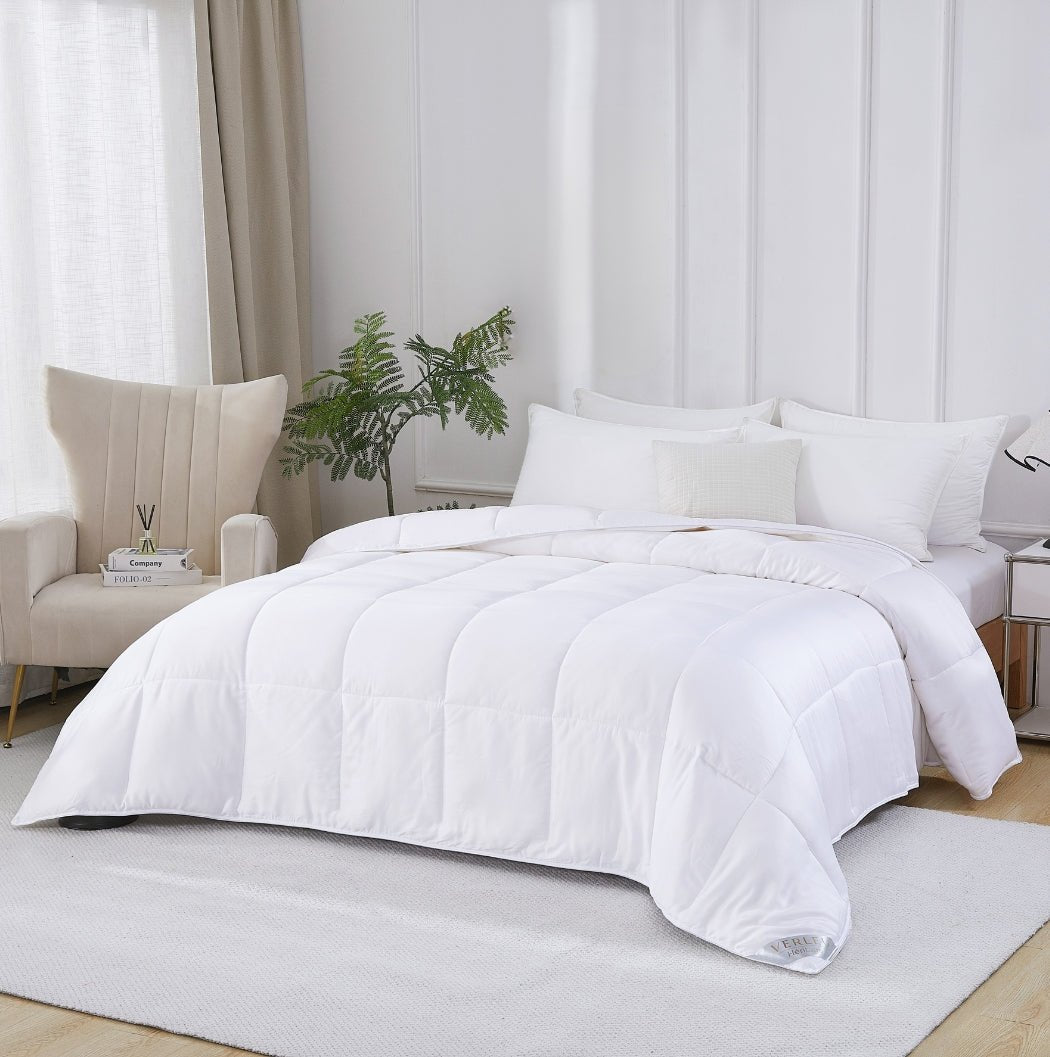
A comforter can look perfectly tailored at the foot of the bed and still become the reason you wake up overheated at 2 a.m. That is where a thoughtful lyocell comforter review matters. The real question is not whether lyocell feels luxurious on day one. It is whether its cooling, moisture management, softness, and construction justify a place in the bed you rely on every night.
For hot sleepers, sensitive skin, and anyone ready to replace bedding that feels heavy, clammy, or overly synthetic, premium lyocell can be a meaningful upgrade. But the fiber name alone is not a guarantee. The shell fabric, fill, loft, finishing, and care instructions all shape how a comforter performs.
What Makes a Lyocell Comforter Different?
Lyocell is a regenerated cellulose fiber made from plant-based wood pulp. In premium bedding, bamboo lyocell is especially valued for its exceptionally smooth surface and ability to help move moisture away from the body. That combination creates the cool-to-the-touch, dry-feeling comfort many people associate with a better night’s sleep.
Compared with traditional cotton comforters, lyocell generally feels silkier and less prone to trapping the sticky humidity that can build beneath dense bedding. Compared with polyester-heavy alternatives, it offers a more breathable, less plasticky sleep environment. The difference is especially noticeable if you tend to sleep warm but still want the comforting drape of a true comforter rather than a thin blanket.
There is also a skin-comfort advantage. Lyocell fibers are naturally smooth, which means less friction against skin and hair. For sleepers who find rough cotton, scratchy fills, or heavily finished fabrics irritating, that refined hand feel is more than a luxury detail. It can make the entire bed feel calmer and more inviting.
Lyocell Comforter Review: The Performance That Matters
A well-made lyocell comforter should feel airy rather than empty, substantial without becoming oppressive. Its first impression is usually its drape: fluid, soft, and close to the body without the stiff puffiness common in lower-quality comforters. That elegant, serene cascade is part of the appeal, but performance is the reason to pay attention.
Cooling and moisture control
Lyocell does not create cold sleep. What it does well is reduce the conditions that make sleep feel too warm: trapped heat, excess moisture, and a shell fabric that holds onto dampness. The fiber can absorb moisture and release it efficiently, helping the bed feel fresher through temperature shifts.
This makes lyocell particularly compelling for people who run warm, experience night sweats, or share a bed with a partner whose temperature needs differ. It is not a substitute for a cool room or breathable mattress, but it can make the sleep surface noticeably more balanced.
The fill still matters. A comforter with a breathable bamboo lyocell shell and an overly dense synthetic fill may not deliver the same temperature regulation as one designed with breathable materials throughout. When evaluating options, look beyond the label on the outer fabric.
Softness that does not rely on heavy finishing
Some bedding feels soft because it has been coated with chemical softeners or finishes that fade after a few wash cycles. Lyocell’s softness comes from the structure of the fiber itself. It has a naturally smooth, polished feel that is often compared to silk, though it is more relaxed and practical for everyday bedding.
That distinction matters over time. A quality lyocell comforter should maintain a supple hand feel with proper care, rather than turning crisp, rough, or papery. It should also resist the noisy crinkling associated with many synthetic comforters, an underrated benefit for light sleepers.
Weight and year-round comfort
A comforter’s warmth is determined more by its fill weight and loft than by lyocell alone. This is the most important trade-off to understand. Lyocell can support excellent year-round comfort, but a lofty all-season construction may still be too warm for someone who sleeps in a naturally hot home or lives in a humid climate without strong air conditioning.
For most households, an all-season lyocell comforter is the most versatile choice. It provides enough insulation for a cool room while allowing better airflow than conventional down-alternative bedding. If your bedroom stays above 72 degrees or you routinely throw the comforter off overnight, a lighter-weight option may serve you better.
Bamboo Lyocell Versus Bamboo Viscose
Not every product marketed as “bamboo” offers the same material story. Bamboo viscose and bamboo lyocell both begin with bamboo-derived cellulose, but their manufacturing processes differ. Lyocell production is designed around a closed-loop solvent process, in which the processing agent is largely recovered and reused. This is a more considered approach to making a refined cellulosic fiber.
For consumers, the practical takeaway is simple: do not assume “bamboo” is a complete quality claim. Ask what the material actually is, how it was made, and whether the brand clearly identifies the shell and fill composition. Transparency is a hallmark of premium bedding because it gives you a meaningful basis for comparison.
Certifications also deserve attention. OEKO-TEX certification, for example, provides valuable reassurance that the finished textile has been tested for harmful substances. It is especially relevant for bedding, which remains in close contact with your skin for hours at a time.
What to Look for Before You Buy
The best lyocell comforter is not necessarily the one with the most elaborate marketing language. It is the one with specifications that match your sleep habits and a construction built to preserve performance.
Start with the shell. A higher lyocell content in the exterior fabric generally delivers more of the cool, smooth, moisture-managing benefits you expect. Then examine the fill. Natural and breathable fill materials can enhance airflow, while synthetic fills may offer easy care and lower cost but can retain more heat depending on density.
Next, consider stitching. Box quilting or well-designed channel construction helps keep fill evenly distributed, preventing cold spots and clumping. The perimeter should feel finished and durable, with seams that are secure but not bulky. A comforter should drape evenly across the bed, not bunch into uneven pockets after a few nights.
Finally, be realistic about your preferred sleep feel. If you want cloudlike loft, look for a fuller design. If you dislike the feeling of being pinned beneath bedding, prioritize a lighter, more fluid comforter. Premium comfort is personal, and the right choice should support your sleep rather than ask you to adapt to it.
Care: How to Protect the Feel and Performance
Lyocell rewards gentle care. Follow the label first, since fill and construction determine whether a comforter is machine washable or requires professional cleaning. When machine washing is permitted, use cold water, a mild detergent, and a gentle cycle. Avoid bleach and fabric softener, both of which can compromise the integrity and feel of refined fibers.
Low heat is the safer drying choice. Heat can be hard on both cellulosic fibers and comforter fill, so patience is worthwhile. Make sure the comforter is fully dry before placing it back on the bed to prevent trapped moisture. Between washes, a duvet cover can extend the life of the comforter and make routine care far easier.
A lyocell comforter is also not the right purchase for everyone. If your priority is maximum winter insulation in a very cold bedroom, a high-fill-power down comforter may offer more warmth for the weight. If your budget is tightly constrained, conventional cotton or polyester options will cost less upfront. The value of lyocell is its balanced performance: elevated softness, temperature regulation, and a cleaner-feeling sleep experience in one considered layer.
Is a Premium Lyocell Comforter Worth It?
For sleepers who repeatedly wake warm, feel uncomfortable in dense synthetic bedding, or want a softer, more polished bed without sacrificing function, the answer is often yes. A premium option like Verleu’s bamboo lyocell bedding approach makes the most sense when material transparency and everyday performance matter as much as visual luxury.
The right comforter should not merely complete the look of your bedroom. It should make climbing into bed feel like a deliberate return to comfort - cool, quiet, beautifully soft, and made for the way you actually sleep.


