

Cart
0



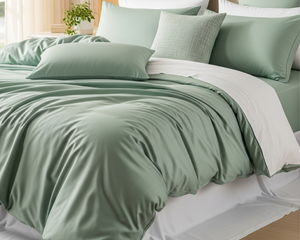
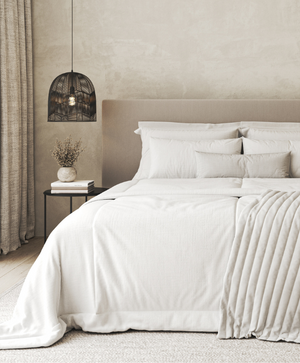
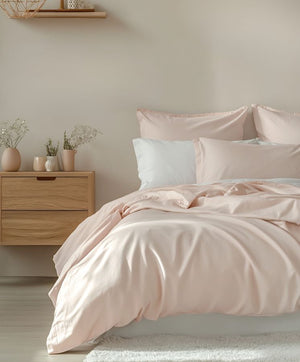
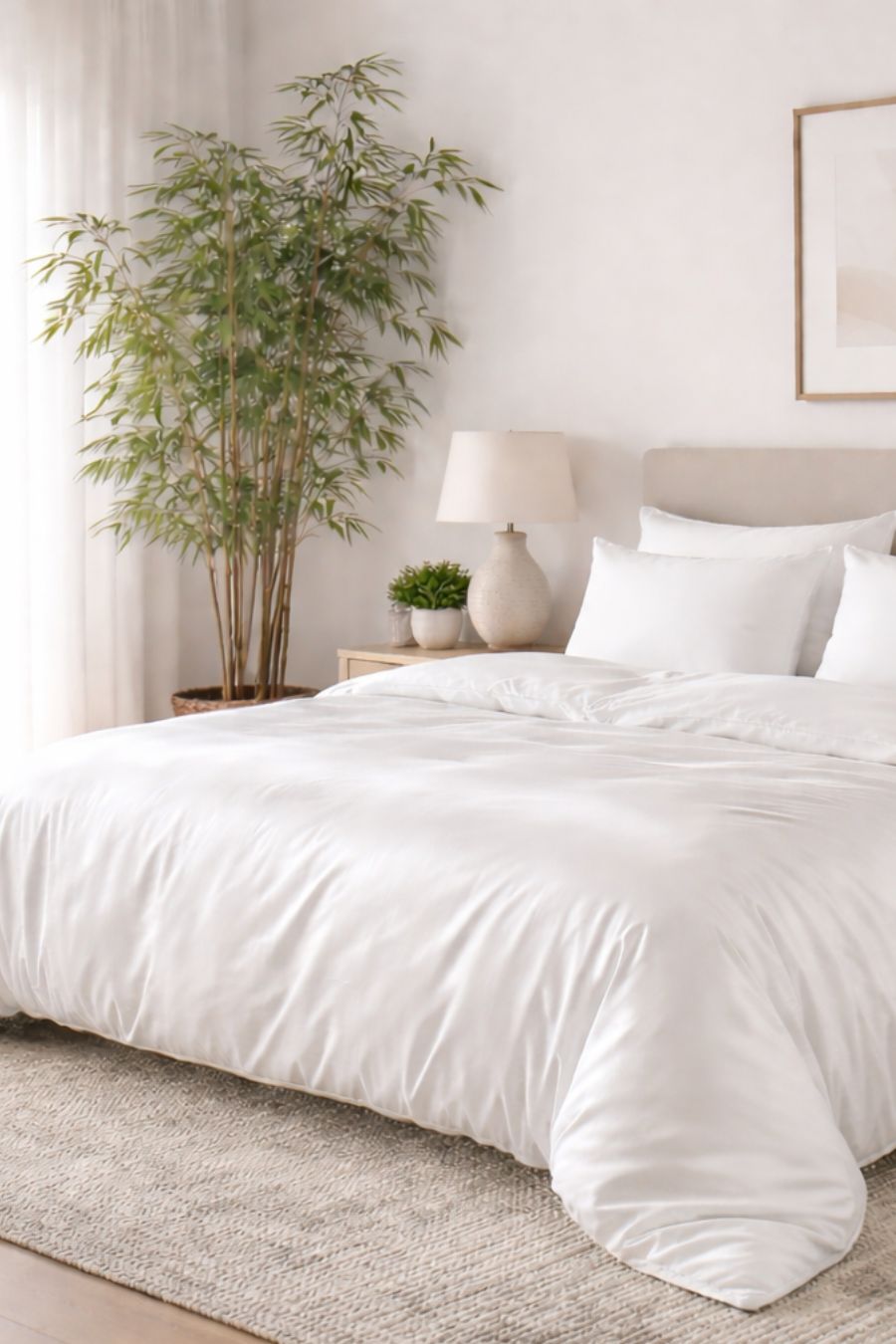
A summer comforter has a difficult job. It must feel substantial enough to create the familiar comfort of a made bed, yet light enough that you do not wake up pushing it to the foot of the mattress at 2 a.m. The difference is not simply a thinner fill. In this cooling comforter for summer review, the real measure is how a comforter handles heat, humidity, airflow, and skin contact over an entire night.
For hot sleepers, the wrong comforter can turn a carefully designed bedroom into a heat trap. Heavy fill, dense shell fabrics, and moisture that lingers near the body can make even a cool room feel uncomfortable. A well-made summer comforter takes a more considered approach: it creates a soft, breathable layer that supports rest without holding onto excess warmth.
Cooling Comforter for Summer Review: What to Look For
The word “cooling” is used freely in bedding, but comfort is more nuanced than a cold-to-the-touch first impression. A comforter should help maintain a steadier sleep climate. That means allowing body heat to move away from you, managing perspiration before it becomes clammy, and avoiding a dense, insulated feel.
The outer shell matters as much as the fill. A comforter may have lightweight filling, but if its cover is tightly woven from a less breathable fiber, warmth and moisture can remain close to the skin. This is why bamboo lyocell is especially compelling for summer bedding. Its smooth, breathable structure is designed to support airflow and moisture management while offering a refined, almost fluid hand feel.
That smoothness has a practical benefit. A shell that glides softly against the body is less likely to feel sticky when temperatures rise. For sleepers with sensitive skin, it can also feel gentler than crisp, textured fabrics that create friction through the night.
The fill should feel airy, not empty
A summer comforter does not need the lofty density associated with winter bedding. It needs enough fill to drape evenly and avoid feeling like a flat top sheet. The best designs create light insulation - just enough to soften the room’s fluctuations without locking in the heat your body naturally releases.
This is where personal preference matters. If you sleep in strong air conditioning or live in a coastal climate with cooler evenings, a slightly more substantial lightweight comforter may be ideal. If you regularly wake overheated, prioritize a genuinely light fill and a highly breathable shell. No comforter can compensate for a room that is excessively warm, but the right one can prevent bedding from becoming the reason you wake up uncomfortable.
Why Bamboo Lyocell Performs Differently
Not all bedding described as bamboo is made the same way. Bamboo lyocell and bamboo viscose begin with the same renewable raw material, but the manufacturing processes and resulting fiber characteristics differ. For shoppers who care about material transparency, that distinction deserves more than a line on a label.
Bamboo lyocell is produced through a more controlled, closed-loop process that recaptures and reuses much of the solvent and water used in production. The result is a fiber valued for its softness, breathability, and moisture-handling performance. Bamboo viscose, by comparison, is a broad category that can involve more chemically intensive processing with less consistent environmental standards.
For a summer comforter, bamboo lyocell’s appeal is immediate: it feels luxuriously smooth without the slick, synthetic sensation some cooling fabrics produce. It helps move moisture away from the body rather than allowing it to settle in the bedding. And unlike fabrics engineered to feel dramatically cool for a few minutes, it supports comfort over the longer arc of the night.
That does not mean every bamboo lyocell comforter will perform identically. Weave, fill distribution, shell weight, and construction all influence the final experience. But choosing a high-quality lyocell shell gives the comforter a stronger foundation than a heavy cotton shell or a heat-retaining synthetic alternative.
The Real Test Is the Middle of the Night
Most bedding feels acceptable when you first get into bed. The more revealing test comes later, when body temperature shifts and the room changes around you. A cooling comforter should not leave you feeling trapped beneath a warm layer, nor should it force you to choose between overheating and sleeping without coverage.
Look for an even, light drape across the body. When fill is poorly distributed, thin spots and bunching can make a comforter feel less polished and less effective. Thoughtful quilting or baffle construction helps hold the fill in place, preserving a composed appearance while maintaining consistent comfort.
Moisture management is equally important for couples. Two people create more heat, and one partner’s sleep temperature may be very different from the other’s. A breathable comforter cannot make both sleepers identical in temperature preference, but it can reduce the muggy, shared-heat effect that dense bedding often creates. In many bedrooms, that is the difference between staying asleep and waking to adjust the covers.
Where Summer Comforters Can Fall Short
There is a trade-off to lightweight performance. A true summer comforter will not deliver the cocooning warmth of a high-loft winter insert. If you want one bed layer to serve every season in a cold climate, a lightweight design may feel insufficient from late fall through early spring.
It is also worth setting realistic expectations around the term “cooling.” Breathable bedding regulates better than heat-trapping bedding, but it does not lower the temperature of a hot bedroom. The strongest results come from pairing a cooling comforter with a moderate room temperature, breathable sheets, and sleepwear that does not hold moisture against the skin.
Care is another consideration. Fine, silky fibers benefit from gentle laundering and lower heat. This is not a drawback so much as the ordinary care required to preserve premium softness and fill integrity. Follow the product’s care instructions, avoid harsh additives, and make sure the comforter has room to move freely in the washer and dryer. Compression from an overcrowded machine can leave fill uneven and reduce that cloudlike drape.
What Makes a Premium Option Worth It
The price difference between a basic comforter and a premium summer option often comes down to what you feel night after night: the quality of the shell, the consistency of the fill, the finish of the stitching, and the integrity of the materials. A comforter should not become rough, lumpy, or less breathable after a season of use.
Material certifications provide an additional level of confidence, particularly for bedding that spends hours against your skin. OEKO-TEX certification, for example, indicates that the textile has been tested for harmful substances. For households managing sensitive skin, allergies, or a preference for cleaner home essentials, that assurance carries real value.
A premium comforter should also look as composed as it feels. The ideal finish is softly draped rather than stiff, with enough visual presence to complete the bed without requiring layers of decorative weight. It is a functional piece, but it is also the largest textile in the room. Its texture and fall set the tone for the entire space.
Verleu’s Héritage approach reflects this higher standard: luxury bamboo lyocell bedding designed around the relationship between elevated softness, thoughtful material choices, and meaningful sleep performance. The goal is not novelty. It is a bed that feels serene, polished, and better calibrated to the way you actually sleep.
Is a Cooling Comforter Right for Your Summer Bed?
A cooling comforter is an excellent choice if you love the reassurance of sleeping beneath a layer but dislike the warmth of a traditional comforter. It is particularly well suited to hot sleepers, humid climates, couples, and anyone whose skin feels irritated by rough or heat-retaining bedding.
If you are often cold at night, choose carefully. You may prefer a lightweight comforter paired with a breathable blanket that can be added when needed. This layered approach offers more control than relying on one heavier piece all year.
The best summer comforter does not ask you to sacrifice the visual and emotional comfort of a fully dressed bed for cooler sleep. It makes the bed feel lighter, smoother, and more responsive to you - so the final thing you notice before sleep is not the heat, but the feeling of being comfortably held.


