

Cart
0


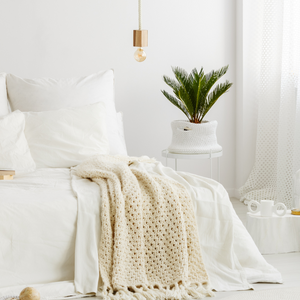
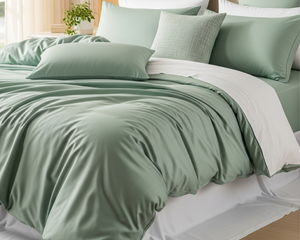
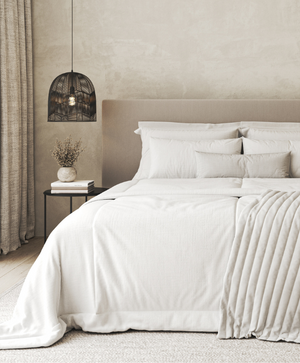
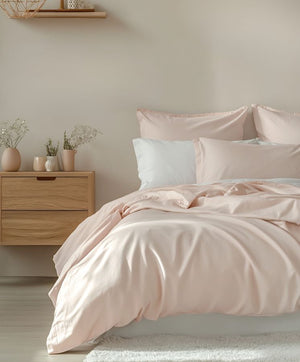
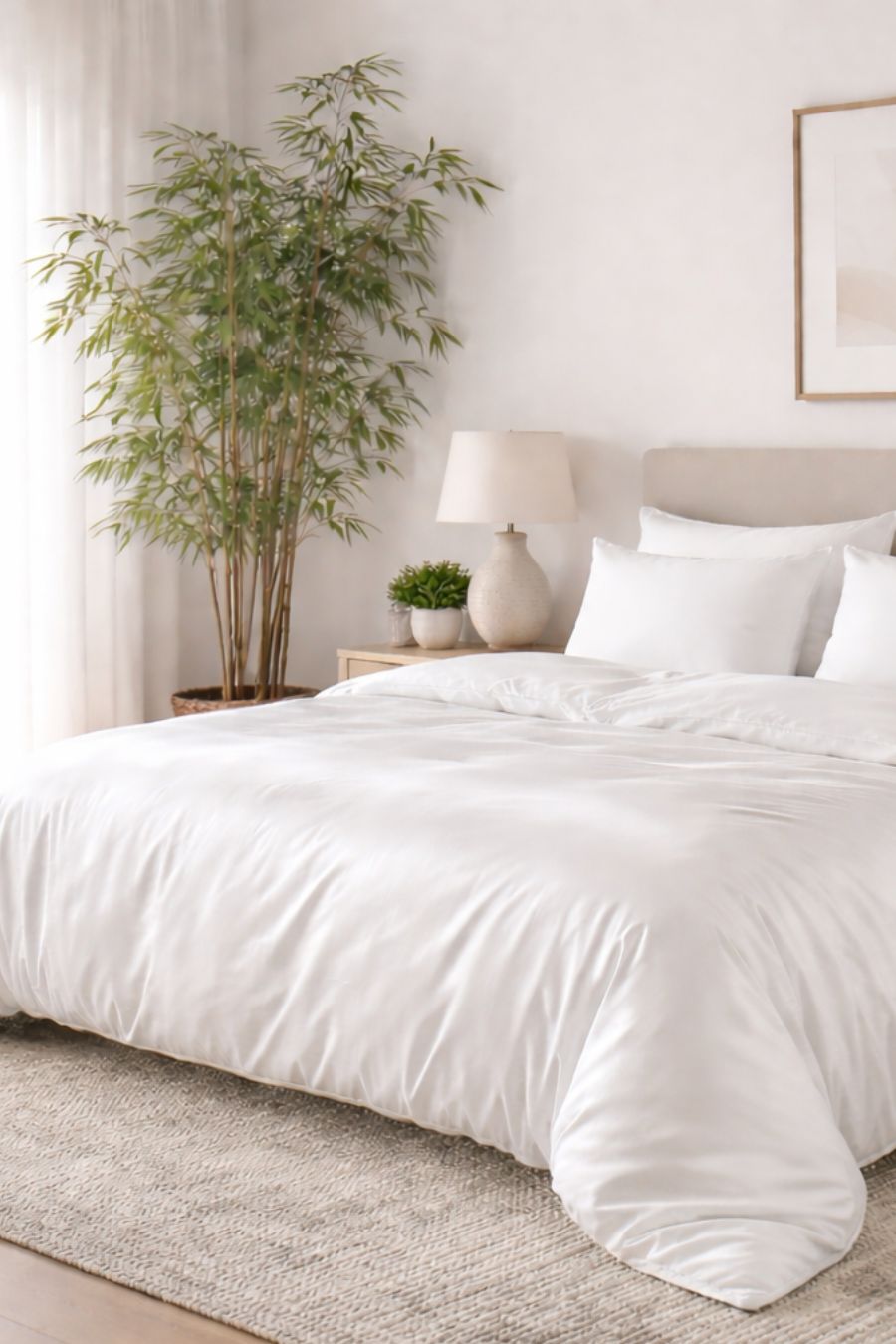
Waking up damp at 2 a.m. changes how you shop for bedding. Softness still matters, but when sleep is interrupted by heat surges and night sweats, performance matters more. The best cooling sheets for hot flashes do not just feel cool for a few minutes - they manage moisture, release heat efficiently, and stay comfortable across the full night.
That distinction is where many sheet sets fall short. Plenty of bedding is marketed as cooling because it feels slick or lightweight out of the package. But for hot flashes, the real test is what happens after your body temperature spikes. If fabric traps humidity, holds heat close to the skin, or becomes clammy once damp, even expensive sheets can make sleep feel restless and uncomfortable.
What cooling sheets for hot flashes need to do
Hot flashes are not the same as simply being a warm sleeper. A warm sleeper may run hot steadily through the night. Hot flashes tend to come in waves, often fast and intense, followed by sweating, chills, or repeated wake-ups. That means your sheets need to respond to changing conditions rather than just offering a cool hand feel.
The most effective sheets do three things well. First, they allow airflow so body heat can dissipate instead of building up around the torso and legs. Second, they wick moisture away from the skin, helping sweat spread and evaporate rather than linger in one saturated spot. Third, they maintain a smooth, breathable surface that does not feel sticky when humidity rises.
This is why fabric choice matters more than thread count. In this category, a high thread count is not automatically a benefit. Dense construction can increase heat retention, especially in traditional cotton sateen or microfiber. When you are managing temperature swings, breathability and moisture transport usually matter more than a tightly packed weave.
The best fabrics for hot flashes
Not all so-called cooling fabrics perform the same way. Some feel cool at first touch because they are slick and lightweight, but that sensation can fade quickly once body heat and moisture enter the picture.
Bamboo lyocell
For many hot sleepers, bamboo lyocell stands out because it balances softness with genuine thermal regulation. The fiber structure supports airflow, and the fabric tends to wick moisture efficiently without feeling heavy. It also has a smooth, refined drape that feels luxurious rather than clinical, which matters if you want your bed to feel elevated as well as functional.
There is also an important materials difference here. Bamboo lyocell is not the same as bamboo viscose, even though those terms are often blurred together in the market. Lyocell is produced with a cleaner, more controlled process, and premium versions are often chosen by shoppers who care about both skin safety and environmental standards. For people dealing with hot flashes, that cleaner composition can be especially appealing when sensitive skin is already part of the equation.
Linen
Linen is highly breathable and excellent at releasing heat. It performs well in warm climates and can be a strong option for people who prioritize airflow above all else. The trade-off is texture. Even softened linen usually has more structure and grain than bamboo lyocell, so it may not suit sleepers who want a silkier hand feel.
Linen also looks intentionally relaxed, which some bedrooms wear beautifully. Others may prefer a more polished finish.
Percale cotton
Percale cotton can work well if you prefer crisp bedding and a familiar natural-fiber feel. A quality percale weave allows decent airflow and tends to sleep cooler than sateen. Still, cotton often absorbs moisture more than it actively moves it away, so if your hot flashes involve significant sweating, percale may feel less dry through the night than bamboo lyocell.
Fabrics to approach carefully
Microfiber and polyester blends are common in budget cooling claims, but they are usually poor choices for hot flashes. They can trap heat, hold onto humidity, and create a slick-yet-stuffy sleep environment. Heavy sateen weaves can also become too warm, even when the material itself is natural.
If your main concern is temperature regulation, marketing language like ice cooling or cooling technology should never outweigh fiber content and fabric construction.
What to look for beyond the label
A good sheet set should support better sleep in practice, not just in product copy. When comparing options, it helps to focus on how the bedding is built and how it will feel after several washes, not only on what it promises on day one.
Moisture wicking is one of the most useful indicators. If a fabric can move perspiration away from the skin and help it evaporate, you are less likely to wake up feeling damp and overheated. Breathability matters just as much. A breathable fabric creates room for heat to escape instead of trapping it against your body and mattress.
Skin sensitivity should also be part of the decision. Hot flashes often come with disrupted sleep, and disrupted sleep makes small irritations feel bigger. Sheets with a smooth surface, fewer harsh chemical residues, and third-party safety certifications can help create a more comfortable sleep environment overall. This is one reason premium bamboo lyocell has become such a compelling choice in luxury bedding - it offers softness, thermal performance, and a cleaner material story in one category.
Fit is another detail people underestimate. If fitted sheets are too tight, too loose, or constantly bunching, airflow suffers and comfort does too. Deep pockets and stable elastic will not cool you on their own, but they do help the fabric stay flat and breathable across the mattress surface.
Why some cooling sheets still feel hot at night
A sheet can feel cool when you first get into bed and still perform poorly by midnight. That usually happens when the initial sensation comes from surface finish rather than actual heat regulation.
Synthetic fabrics are especially prone to this. They can feel cool on contact because the fabric itself starts at room temperature, but once warmed by the body, they often retain heat and trap moisture. The result is a sleep environment that becomes progressively less comfortable.
Construction also plays a role. Fabrics that are too dense, brushed, or heavy may feel soft and substantial, but they can limit airflow. If you are shopping specifically for relief from hot flashes, plushness is not always your friend. A lighter, more breathable fabric with strong moisture management will usually outperform a thicker sheet that simply feels cozy.
Creating a cooler bed overall
Even the best sheets work better as part of a complete sleep environment. If your mattress protector is waterproof and non-breathable, or your comforter is overly insulated, cooling sheets can only do so much.
Try to think in layers. Lightweight breathable sheets, a temperature-conscious blanket or duvet, and good air circulation in the bedroom will usually deliver better results than changing one item in isolation. If your hot flashes are severe, keeping an extra breathable layer nearby can also help. Many sleepers prefer something they can quickly add back after a sweat episode passes and the chill sets in.
This is where premium bedding earns its place. Well-made materials tend to regulate more consistently, wash better, and maintain their hand feel over time. That matters when bedding is not just decorative, but part of your nightly wellness routine.
Is premium bedding worth it for hot flashes?
It depends on what is driving your discomfort and how often it disrupts your sleep. If hot flashes are occasional and mild, a solid percale set may be enough. But if you wake repeatedly, deal with sweat, or feel frustrated by sheets that start soft and turn stifling, higher-performance materials are often worth the upgrade.
This is especially true for shoppers who want more than a quick fix. Better bedding can support sleep quality night after night, and the right fabric does not force you to choose between beauty and function. Brands like Verleu have helped raise the standard here by treating cooling performance, material integrity, and luxury comfort as essentials rather than separate categories.
There is no sheet that can stop hot flashes from happening. What the right sheet can do is reduce how disruptive they feel, helping your bed stay drier, lighter, and more restorative when your body temperature shifts without warning. If better sleep is the goal, choose fabric that works with your physiology, not against it. The difference is often felt the very first night.


