

Cart
0



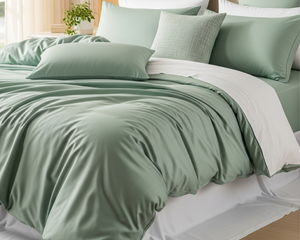
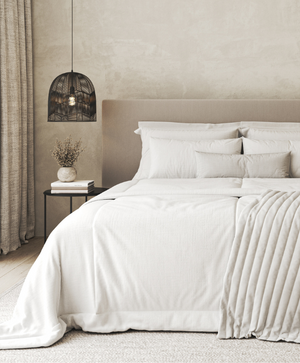
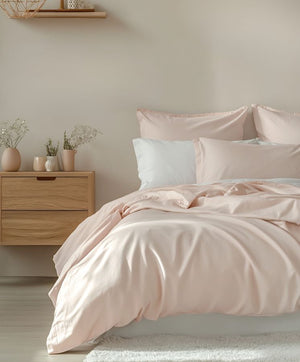
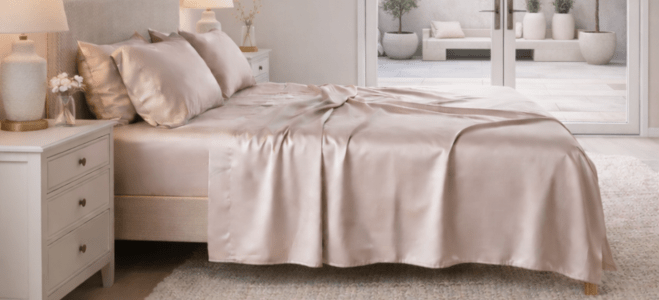
If you wake up damp at 2 a.m., kick the covers off by 4, and still feel overheated by morning, your sheets are not a small detail. For hot sleepers, bedding can either trap heat and moisture or create the kind of cool, dry sleep surface that lets your body settle into deeper rest. That is why cooling sheets for hot sleepers deserve more scrutiny than they usually get.
The market is crowded with vague promises. Almost every premium sheet set now claims to be breathable, temperature regulating, or moisture wicking. Those terms can be meaningful, but only when the material, weave, and finish actually support them. If you sleep warm, the difference between a sheet that feels cool for five minutes and one that stays comfortable through the night is not marketing. It is fiber performance.
What cooling sheets for hot sleepers should actually do
A true cooling sheet is not supposed to feel icy. It is supposed to manage heat and humidity so your bed does not become its own climate problem. That means releasing trapped warmth, moving moisture away from the skin, and maintaining airflow around the body instead of sealing it in.
This is where many shoppers get frustrated. They buy sheets described as soft and cooling, only to find that softness came from a heavy finish or dense fabric that sleeps warmer than expected. A fabric can feel smooth and luxurious while still holding onto heat. For hot sleepers, surface feel matters, but thermal behavior matters more.
The best cooling sheets tend to share a few qualities. They are breathable rather than bulky. They wick instead of cling. They feel dry against the skin, especially when room temperature rises or two people share the bed. They also tend to get their performance from the fiber itself, not from a temporary chemical treatment that fades with washing.
Why fabric choice matters more than thread count
Thread count still gets too much attention. It can suggest quality in some cases, but it is a poor shortcut for temperature regulation. A very high thread count often means a denser fabric, and denser fabrics can restrict airflow. That can be pleasant if you run cold. It is rarely ideal if you overheat.
For hot sleepers, fiber content is the more useful starting point. Cotton percale can work well because it has a crisp, airy construction. Linen is excellent at releasing heat and moisture, though not everyone enjoys its texture. Bamboo-derived fabrics are popular in this category for good reason, but they are not all the same.
That distinction matters. Many shoppers see the word bamboo and assume all bamboo sheets perform alike. They do not. The processing method, fiber quality, and final construction all influence breathability, softness, durability, and skin feel. If you care about cleaner materials and consistent cooling performance, it is worth looking past the headline and into the textile itself.
Bamboo lyocell vs. bamboo viscose
This is one of the biggest points of confusion in the bedding space. Both can begin with bamboo, but the manufacturing process is different, and that difference affects the final product. Bamboo lyocell is generally associated with a cleaner, more advanced closed-loop process. Bamboo viscose is more common, but it does not represent the same standard of material refinement.
For performance-minded shoppers, bamboo lyocell stands out because it tends to combine a cool hand feel with strong moisture management and a fluid drape that does not feel heavy on the bed. It also appeals to people who want a more responsible material story without giving up the polished softness expected from luxury bedding.
That is why brands such as Verleu emphasize bamboo lyocell specifically rather than using bamboo as a blanket term. In premium bedding, precision matters.
The feel of the fabric changes the sleep experience
Cooling is not just about temperature. It is also about how the sheet behaves against the body at night. If a fitted sheet grips, bunches, or feels sticky when humidity rises, sleep quality suffers even if the room itself is cool.
This is where a silky, breathable fabric can make a noticeable difference. A smoother surface reduces friction against skin and hair, which many sensitive sleepers appreciate. A more fluid drape helps the bedding feel light instead of oppressive. And when moisture is managed well, the bed feels fresher for longer, rather than damp and overheated by the middle of the night.
There is a trade-off here. Some of the coolest-feeling fabrics, like percale cotton, have a crispness that not everyone loves. Some of the softest fabrics can feel warmer if they are too dense. Bamboo lyocell often lands in the sweet spot for people who want both: a cool, elegant hand feel with performance that remains noticeable after the first wash.
What hot sleepers should look for before buying
Marketing language can blur together fast, so it helps to evaluate sheets through a more practical lens. Start with breathability. If the brand cannot explain why the fabric sleeps cool, the claim is probably superficial. Then look at moisture management. Hot sleepers do not just need airflow. They need a fabric that helps keep sweat from lingering on the skin.
Next, consider skin sensitivity. If you deal with irritation, reactive skin, or allergies, the finish and certification of the fabric matter almost as much as the fiber. Bedding sits against your skin for hours every night. Clean processing and trusted chemical safety standards are not premium extras. They are part of the product's performance.
Finally, think about longevity. Luxury sheets should not become rough, limp, or less breathable after a season of washing. A well-made set should hold its softness and structure over time. Cooling performance is only impressive if it lasts.
Warning signs to avoid
A few red flags are worth noting. Extremely high thread counts often signal weight rather than airflow. Polyester blends may improve wrinkle resistance or durability, but they can also trap heat. Generic bamboo claims without clarity on whether the fabric is lyocell or viscose leave too much unanswered.
You should also be cautious with finishes that promise instant cooling but say little about long-term wash durability. If the cooling story depends on a treatment rather than the fabric's inherent properties, performance may fade faster than expected.
Your sleep environment still matters
Even the best sheets cannot overcome a bedroom that is too warm, an old foam mattress that holds heat, or a heavy comforter designed for winter. Cooling bedding works best as part of a system.
If you sleep hot, build the bed with the same logic you would use for performance apparel. Choose breathable layers. Avoid unnecessary weight. Think about how each material handles moisture and airflow. Sheets are the first layer, so they have an outsized effect, but they are not the only variable.
This is especially true for couples. Shared body heat changes the equation. A sheet that feels acceptable for one sleeper can feel stifling when two people are under the same bedding setup. In those cases, responsive, moisture-managing fabrics become even more valuable.
Are luxury cooling sheets worth it?
They can be, but only when the price reflects measurable quality. Premium bedding should give you better fiber construction, more consistent softness, stronger durability, and cleaner manufacturing standards. It should not simply give you better packaging.
For hot sleepers, the real value is in what happens night after night. Fewer wakeups. Less tossing off the top sheet. Less dampness at the neck, chest, and legs. A bed that still feels calm at 5 a.m. Those improvements are not cosmetic. They affect how restored you feel the next day.
The smartest purchase is not always the most expensive one, but it is usually the one with the clearest material story. If a brand can explain the fiber, the process, the certification, and the sleep benefits in specific terms, that is a strong sign you are looking at substance instead of surface-level claims.
The bottom line on cooling sheets for hot sleepers
If you sleep warm, your sheets should do more than look beautiful folded at the foot of the bed. They should actively support a cooler, drier, more comfortable sleep environment. That means prioritizing breathable construction, moisture management, skin-safe materials, and fabric technology that performs beyond the first impression.
For many hot sleepers, bamboo lyocell is compelling because it brings together luxury softness and serious function without asking you to compromise on aesthetics or material standards. Cotton percale and linen still have their place. It depends on the sleep experience you prefer. But the common thread is simple: the best cooling sheets are the ones that help your body rest without fighting your bed all night.
When bedding is chosen well, the room feels quieter, the bed feels lighter, and sleep starts to look less like a nightly negotiation and more like what it should be - restorative.


