

Cart
0

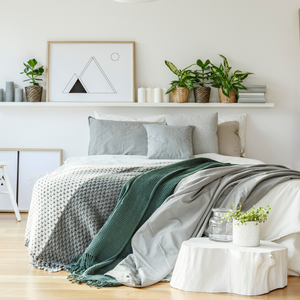
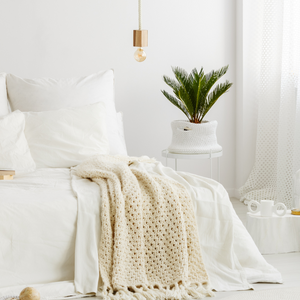
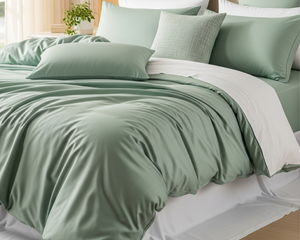
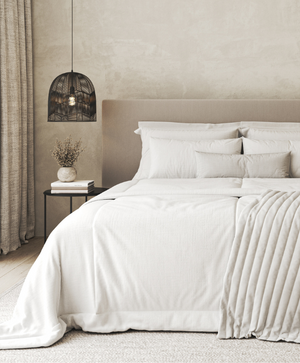
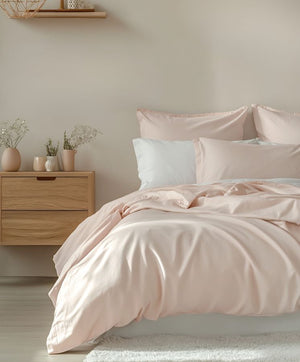
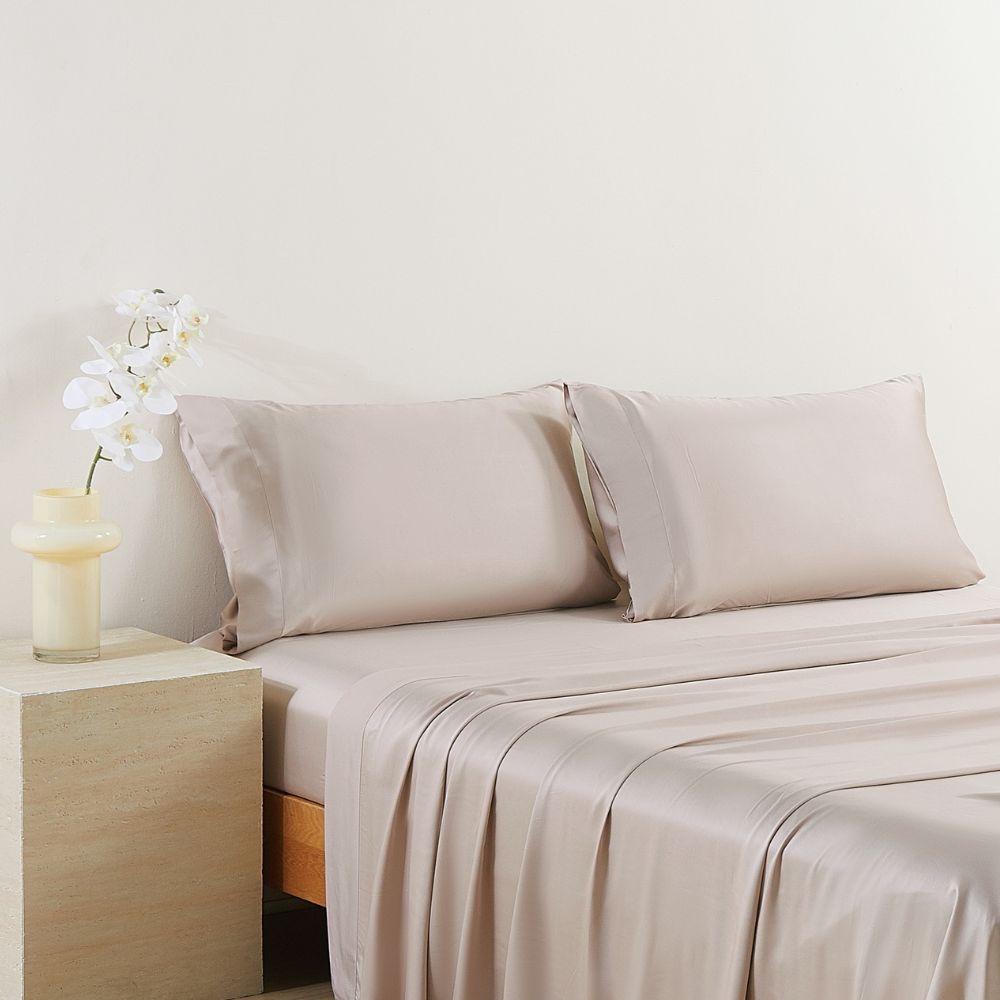
A bedroom can look impeccably composed and still leave you waking at 2 a.m. searching for the cool side of the pillow. That gap between appearance and performance is shaping cooling bedding trends 2026. The most compelling shift is not toward louder cooling claims or novelty fabrics. It is toward thoughtfully engineered sleep layers that move moisture, release excess heat, and feel beautifully soft against skin night after night.
For discerning sleepers, cooling is becoming a standard of comfort rather than a specialty feature. The materials, construction, and certifications behind a bedding set now matter as much as its color, drape, or thread count.
Cooling Bedding Trends 2026: Performance Becomes Personal
The era of one-size-fits-all cooling is fading. Some sleepers run warm all night, while others are comfortable at bedtime and overheat in the early morning. Couples frequently have different temperature needs in the same bed. In 2026, better bedding is designed around these realities, using breathable materials and flexible layers rather than relying on a single dramatic promise.
This distinction matters because feeling cool is not identical to regulating temperature. A fabric may feel crisp when you first get into bed, then trap humidity once body heat builds. True overnight comfort depends on airflow, moisture management, and how quickly a fiber releases heat and dries. The goal is a bed that feels balanced, not cold.
Luxury shoppers are also asking more intelligent questions. What is the fiber actually made from? Does it remain soft after washing? Is the finish dependent on added chemicals? These are signs of a category maturing beyond surface-level marketing.
Bamboo Lyocell Moves From Trend to Standard
Among the most significant cooling bedding trends is the growing preference for bamboo lyocell. Its appeal is both sensorial and functional: the fabric has a smooth, fluid hand feel while helping move moisture away from the body. For hot sleepers and those with sensitive skin, that combination can make a meaningful difference in how settled the bed feels.
It is worth being precise about terminology. Bamboo lyocell and bamboo viscose are not interchangeable descriptions, even when products are presented similarly. Lyocell is produced through a more advanced closed-loop process that recovers and reuses much of the water and solvent used in production. Bamboo viscose is often made through a more chemically intensive process. The distinction affects the material story, environmental profile, and the level of transparency a shopper can reasonably expect.
In a premium bedroom, bamboo lyocell also offers an aesthetic advantage. It creates the serene cascade associated with luxury bedding, rather than the stiff, overly matte finish that can make a bed feel more utilitarian than inviting. The best versions pair this elegant drape with durable construction, so softness is not treated as a short-lived first-wash experience.
Moisture Wicking Will Matter More Than “Ice-Cool” Labels
Expect to see fewer credible brands leading with exaggerated cold-to-the-touch language and more attention paid to moisture wicking. This is a welcome change. A cooling sensation on contact can be pleasant, but it does not necessarily address the discomfort caused by perspiration or trapped humidity.
Moisture-wicking bedding draws moisture away from the skin so it can evaporate more readily. In practical terms, that can mean less clamminess around the shoulders, back, and legs, where heat tends to accumulate beneath a duvet or comforter. Breathable fibers support this process by allowing air to circulate rather than sealing warmth close to the body.
The trade-off is that no sheet can overcome a bedroom that is excessively warm or a comforter filled for deep winter insulation. Cooling performance works as a system. Sheets, duvet cover, comforter weight, mattress protector, sleepwear, and room temperature all contribute. Better bedding gives that system a far stronger foundation.
Layering Replaces the Heavy All-Season Bed
For years, “all-season” often meant one lofty comforter expected to perform from January through August. In 2026, more sleepers will build adaptable beds instead. A breathable sheet set and duvet cover can remain in rotation year-round, while the insert changes with the season or the sleeper’s needs.
This approach is especially useful for couples. One partner may prefer the visual finish of a fully made bed and the gentle weight of a comforter, while the other needs less insulation. A lighter insert, a breathable cover, and an additional blanket folded at the foot of the bed offer more control than a single heavy layer.
Construction should be considered alongside fill weight. A comforter that allows heat and moisture to move through the outer shell can feel more comfortable than a similarly weighted option with a less breathable casing. Likewise, a duvet cover should not be an afterthought. It is the layer closest to the body for many sleepers, and its fiber quality directly shapes the sleep experience.
Skin-Safe Materials Become a Luxury Expectation
Cooling and skin comfort are increasingly connected. When bedding holds moisture and heat, it can feel irritating, particularly for people with sensitive skin or those prone to waking hot. Smooth fibers, carefully managed dyes, and responsible manufacturing offer a more considered path to comfort.
Certification will continue to carry more weight as consumers look past vague phrases such as “clean” or “natural.” OEKO-TEX certification, for example, provides reassurance that a textile has been tested for harmful substances. It does not replace an informed look at fiber content and manufacturing, but it is a meaningful trust marker in a category where claims can be difficult to compare.
This is also why the lowest price is rarely the clearest value signal. Premium bedding should earn its position through material integrity, comfort that lasts through laundering, and transparent standards. At Verleu, that philosophy is reflected in bamboo lyocell bedding designed to unite elevated softness with performance-minded temperature regulation.
Texture Will Stay Refined, Not Slick
The visual language of cooling bedding is becoming quieter. Rather than technical-looking fabrics that announce their performance, 2026 bedrooms will favor relaxed luxury: softened neutrals, tonal layers, tailored edges, and fabrics with fluid movement. The room should feel restorative before you even turn down the bed.
That does not mean sacrificing practical details. Deep-pocket fitted sheets, durable elastic, secure duvet closures, and pillowcases that retain their shape are part of premium comfort. A beautiful fabric that shifts off the mattress or twists around the duvet insert is not a luxury experience.
There is also a growing appreciation for bedding that looks lived in without looking careless. Bamboo lyocell's gentle sheen and drape suit this mood particularly well, delivering polish without demanding a rigidly formal bed-making routine.
How to Choose Cooling Bedding That Delivers
Start with the layer that touches the most skin: the sheets and pillowcases. Look for a breathable fiber with natural moisture-management properties, then assess the full material disclosure rather than relying on a collection name. If a brand cannot clearly explain whether its fabric is lyocell, viscose, cotton, polyester, or a blend, its cooling claim deserves scrutiny.
Next, consider your insulation level. Hot sleepers may benefit most from lighter bedding with an adaptable duvet strategy, while sleepers who get chilly before dawn may prefer breathable sheets paired with a moderate comforter. The right answer depends on your room, sleepwear, climate, and personal temperature pattern.
Finally, choose bedding you will want to maintain. Follow care instructions, avoid excessive heat in the dryer when recommended, and rotate sets so each one has time to recover between washes. Quality fibers and careful laundering work together to preserve softness, drape, and performance.
The most lasting trend is simple: sleep should feel considered. Choose layers that let your body settle, fabrics that respect your skin, and a bed that offers premium comfort without asking you to compromise on the materials beneath it.


