

Cart
0



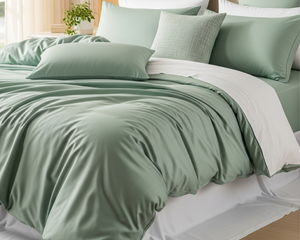
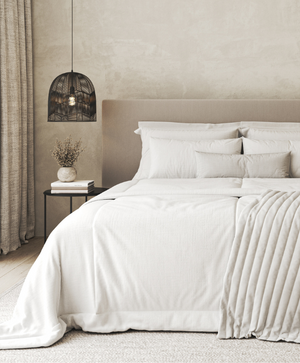
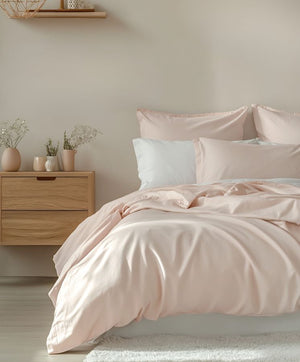
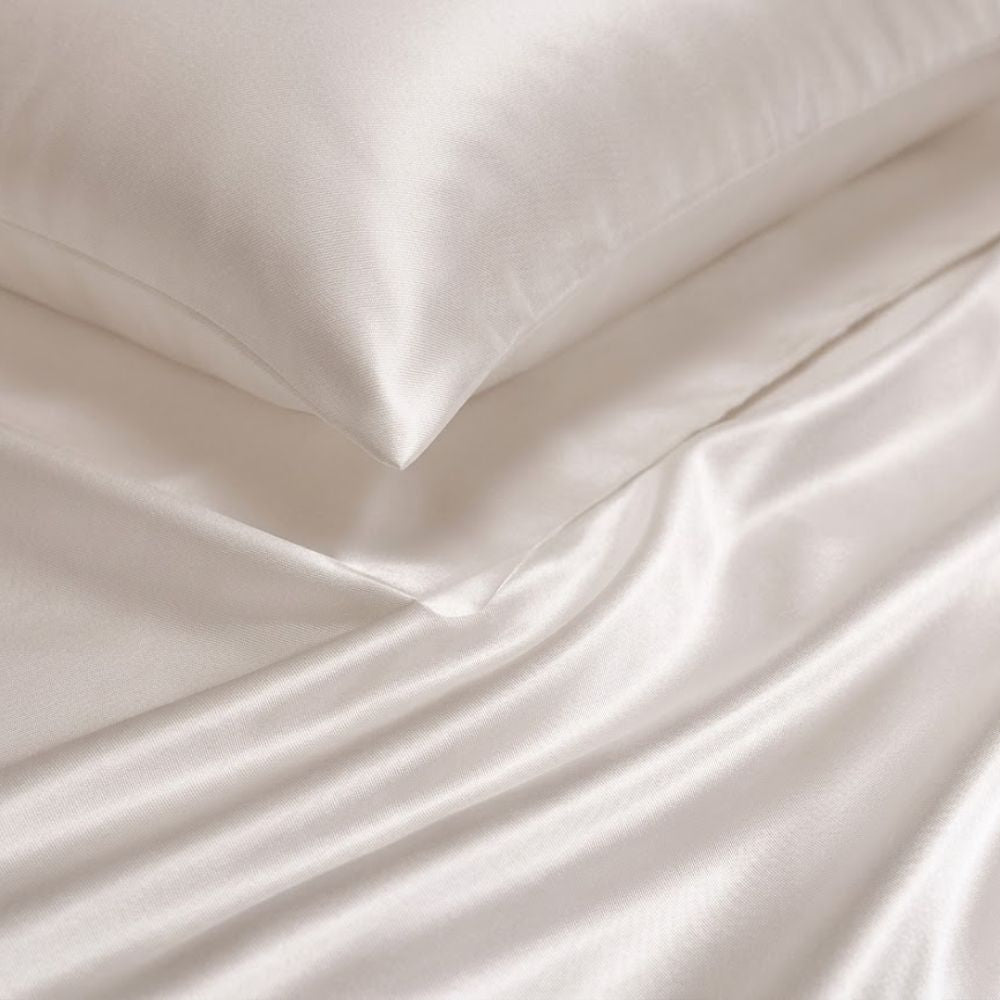
A bed can look immaculate and still sleep poorly. If you wake up warm, shift through the night, or notice your sheets feel less inviting after a few washes, the problem is rarely just aesthetics. Luxury bamboo bedding has earned attention because it addresses what premium bedding should address in the first place - temperature, skin comfort, softness, and how the material performs over time.
That distinction matters. Not all bamboo bedding is made the same way, and not every fabric marketed as luxurious delivers a better sleep environment. For shoppers who care about wellness as much as design, the conversation should start with fiber quality, not just thread count or packaging.
What makes luxury bamboo bedding feel different
The first thing most people notice is the hand feel. High-quality bamboo-based bedding has a fluid drape and a smooth, almost weightless surface that feels cool against the skin. The better versions do not rely on a slick, synthetic sensation to create that first impression. Instead, they feel refined because the fibers themselves are engineered for softness and breathability.
That softness is only part of the story. Luxury bedding should also regulate heat with consistency. If a fabric traps warmth and humidity, it may feel pleasant for ten minutes and frustrating at 2 a.m. This is where bamboo lyocell stands apart. The structure of the fiber supports airflow and moisture management, helping move heat and perspiration away from the body instead of holding it close.
For hot sleepers, that can change the entire experience of a bed. For couples, it often means fewer temperature battles and less discomfort from heat buildup between two bodies. For anyone with sensitive skin, it can also mean a cleaner, calmer surface that is less likely to feel abrasive or heavy overnight.
Luxury bamboo bedding vs. standard bamboo claims
One of the biggest points of confusion in this category is that bamboo is often described as if it were one thing. It is not. The source material may begin with bamboo, but the way that raw material is processed into fiber has a direct effect on quality, safety, and environmental impact.
Many products marketed as bamboo are actually bamboo viscose. That does not automatically make them poor products, but it does mean consumers should look more closely. Viscose processing is common, yet it can involve harsher chemical methods that are far removed from the cleaner, more advanced manufacturing standards many premium shoppers assume they are buying.
Bamboo lyocell is different in both process and result. It is known for a more modern production method that emphasizes responsible solvent recovery and cleaner fabrication. The finished fabric tends to deliver a stronger combination of softness, moisture control, and durability, which is why it has become the benchmark for shoppers seeking elevated performance rather than just a bamboo label.
This is where premium pricing can be justified - or exposed. If a brand speaks broadly about bamboo but avoids clarity on whether the fabric is lyocell or viscose, that omission matters. Real luxury should come with transparency.
Why hot sleepers are drawn to bamboo lyocell
Cooling claims are easy to make and harder to prove in everyday use. A fabric can feel cool when you first slide into bed and still fail once body heat builds. What matters is ongoing regulation through the night.
Bamboo lyocell performs well here because it is naturally breathable and effective at moisture wicking. Instead of allowing sweat to linger on the skin or in the bedding surface, it helps disperse moisture more efficiently. That can reduce the clammy feeling that often causes people to wake up, kick off covers, or keep adjusting the thermostat.
It is worth being precise, though. No bedding can override a very warm room, a heat-trapping mattress, or a heavy comforter with poor airflow. Luxury bamboo bedding improves the sleep microclimate around your body, but results still depend on the full setup. In other words, the fabric matters a great deal, but it works best as part of a smarter sleep environment.
The skin benefits are not just a bonus
People with sensitive skin often focus on skincare products and overlook the material touching them for seven or eight hours every night. Bedding can either support skin comfort or quietly work against it.
A smooth, high-quality bamboo lyocell fabric is gentle on the skin because it reduces friction and avoids the rougher texture that some cotton weaves develop over time. For sleepers who deal with dryness, irritation, or post-shower sensitivity, this softer surface can feel noticeably better night after night.
Chemical safety matters too. Certifications such as OEKO-TEX provide reassurance that the finished textile has been tested for harmful substances. In a premium category, that should not be treated as a nice extra. It should be part of the baseline expectation. If a brand positions its bedding as wellness-oriented, it should be prepared to show that the fabric supports that claim.
What to look for before you buy luxury bamboo bedding
A premium bedroom deserves more than marketing shorthand. When evaluating luxury bamboo bedding, material transparency should come first. Look for explicit language around bamboo lyocell rather than broad references to bamboo rayon or bamboo-derived fabric. If the wording feels evasive, there is usually a reason.
Construction matters next. A great fabric can still disappoint if the finishing is inconsistent, the stitching is weak, or the fit is poor. Deep-pocket sheets, secure closures on duvet covers, and pillowcases that hold their shape all contribute to whether bedding feels truly elevated in daily use.
Then consider how the product is meant to perform for your needs. If you sleep hot, prioritize breathable sheet sets and lighter layers. If skin sensitivity is your concern, place more weight on chemical certifications and fabric finish. If you are designing a more polished bedroom, drape and color depth will matter more than a spec sheet alone.
Good luxury shopping is rarely about chasing one headline feature. It is about finding the right balance of performance, safety, and visual calm.
Does it hold up over time?
Softness after the first wash is easy. Softness after months of use is where quality reveals itself. Lower-grade bedding can begin with a pleasant feel and gradually lose its character, becoming flat, pilled, or less breathable as laundering takes its toll.
Well-made bamboo lyocell bedding tends to age more gracefully when cared for properly. It maintains a smooth finish, keeps its fluid feel, and continues to perform without becoming stiff. That does not mean it is indestructible. Like any fine textile, it benefits from gentle washing, moderate temperatures, and avoiding overly aggressive drying.
This is one of the practical trade-offs of premium bedding. Materials that feel more refined often deserve more thoughtful care. For most buyers in this category, that is a reasonable exchange. Better sleep and better longevity usually justify a bit more attention in the laundry routine.
The luxury standard has shifted
There was a time when luxury bedding was defined mostly by visual cues - crisp tailoring, a polished bed, a higher price point, and a familiar natural fiber story. That standard feels outdated now. Modern luxury has to do more.
Today, premium bedding is expected to look beautiful and actively support rest. It should help regulate temperature, feel exceptional on the skin, and align with a cleaner view of what belongs in the home. It should also speak clearly about how it is made.
That shift is why so many discerning shoppers are moving toward bamboo lyocell. They are not simply buying softness. They are choosing a fabric that better reflects how they live - design-aware, wellness-minded, and unwilling to compromise on performance.
For brands like Verleu, that means luxury is not just a finish or a mood. It is measurable comfort, credible material science, and a bedroom that works harder on your behalf while feeling effortlessly serene.
The best bedding is not the kind you think about all day. It is the kind that lets you forget about being too warm, too irritated, or too restless once the lights go out. If luxury bamboo bedding is made well, that is exactly what it does - it turns the bed into a place where comfort feels immediate, but performance is what keeps you there.


